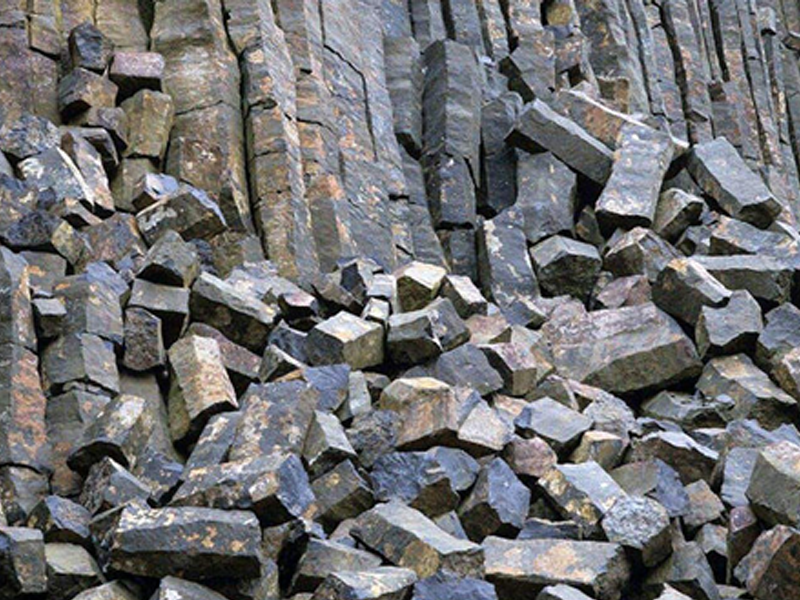
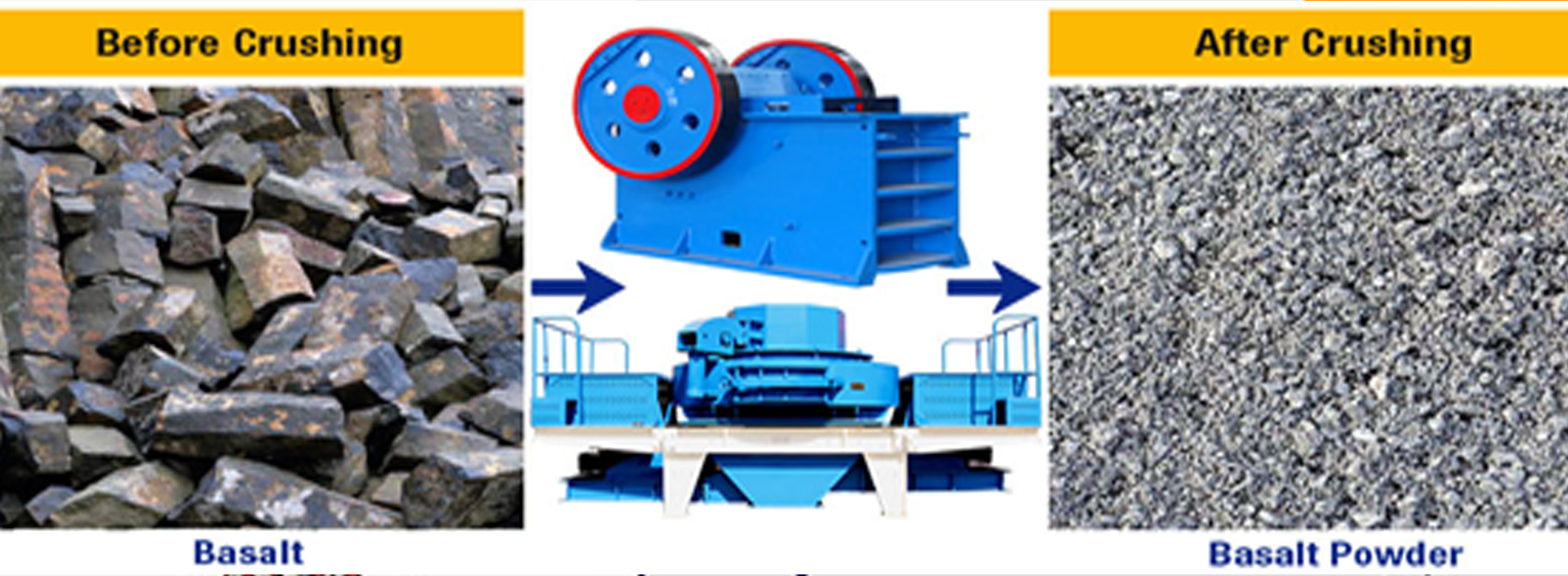
Boasting high compressive strength, excellent corrosion resistance, and superior asphalt adhesion, basalt is internationally recognized as the optimal material for highway, railway, and airport runway construction.
Supporting Equipment
Basalt serves as a premium aggregate for lightweight concrete in high-rise constructions. Concrete mixed with basalt offers advantages such as reduced weight, high structural density, excellent sound insulation, and thermal insulation, making it highly favored in the current construction market.
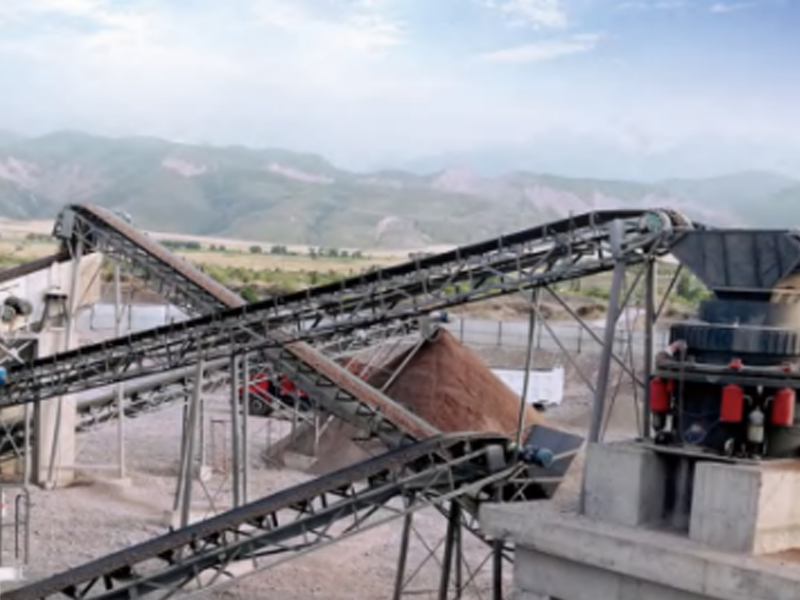
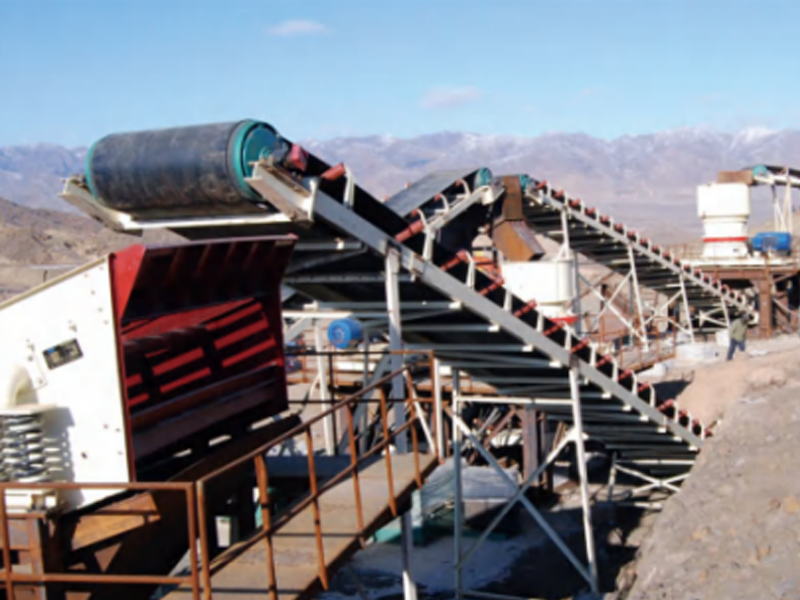
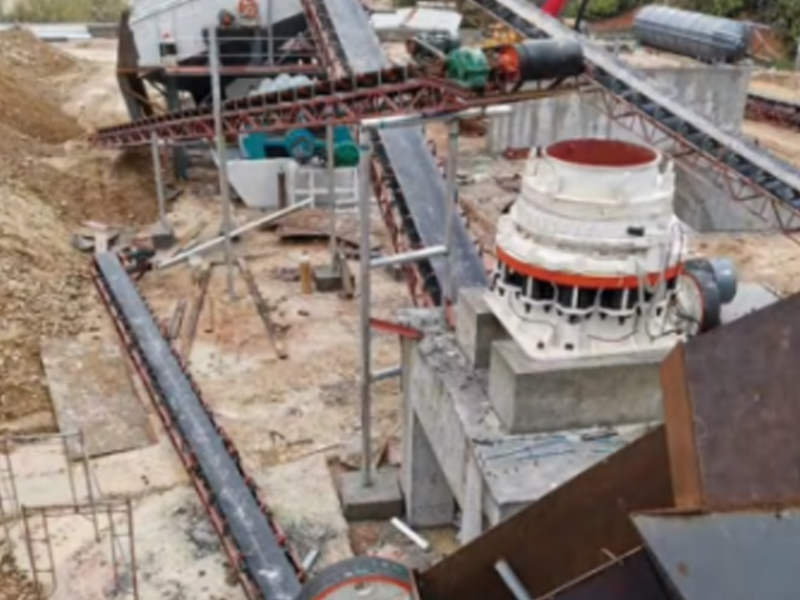
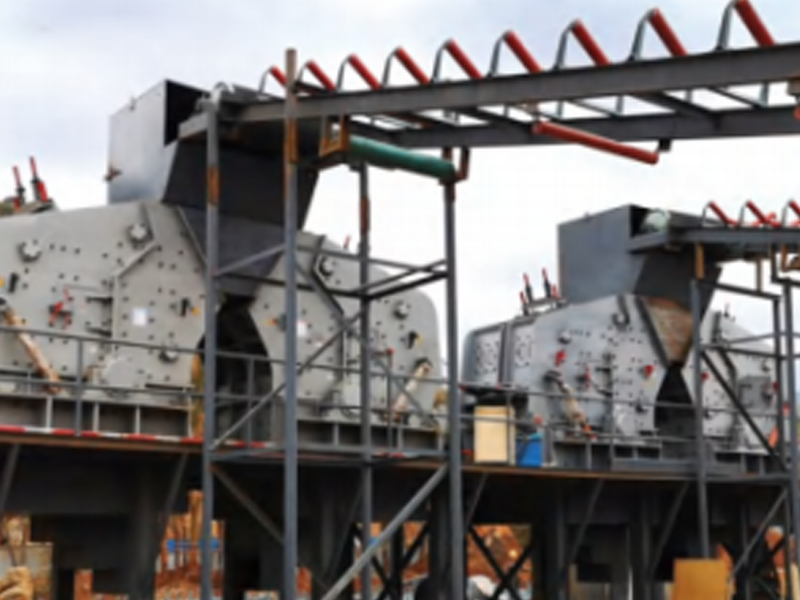
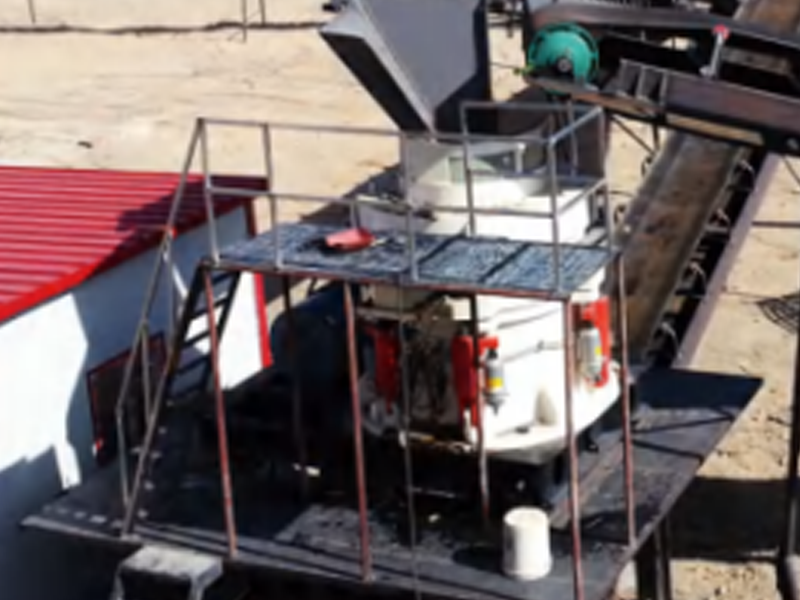
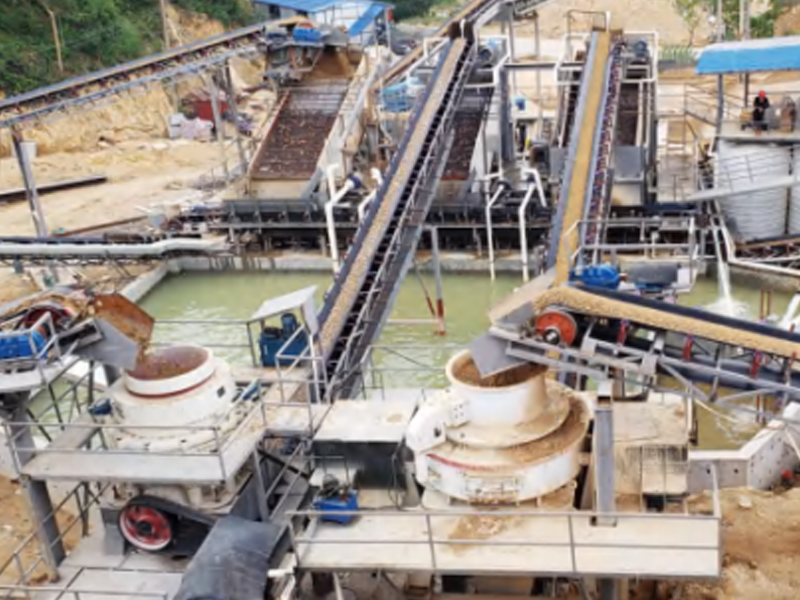
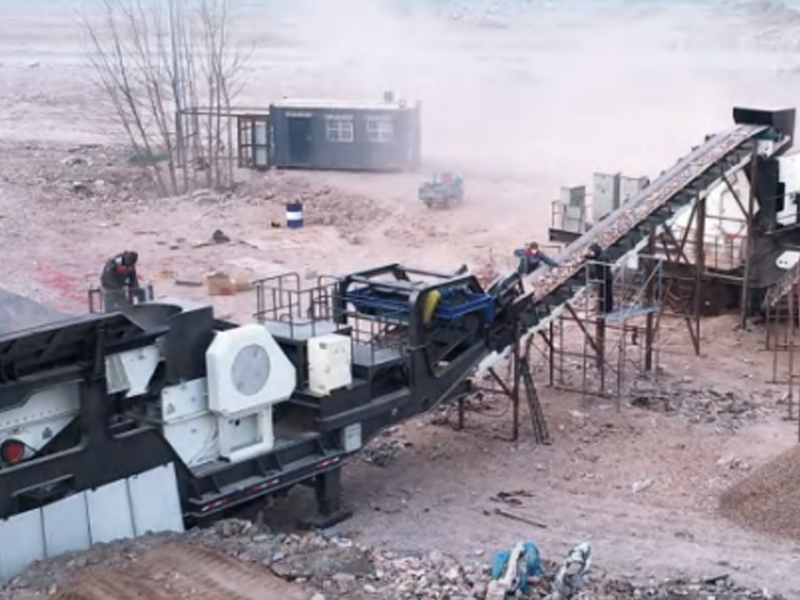
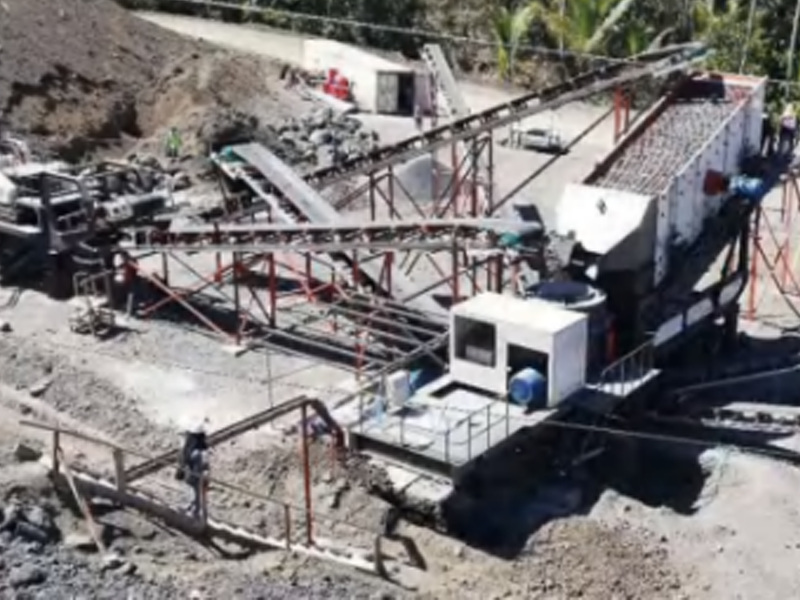
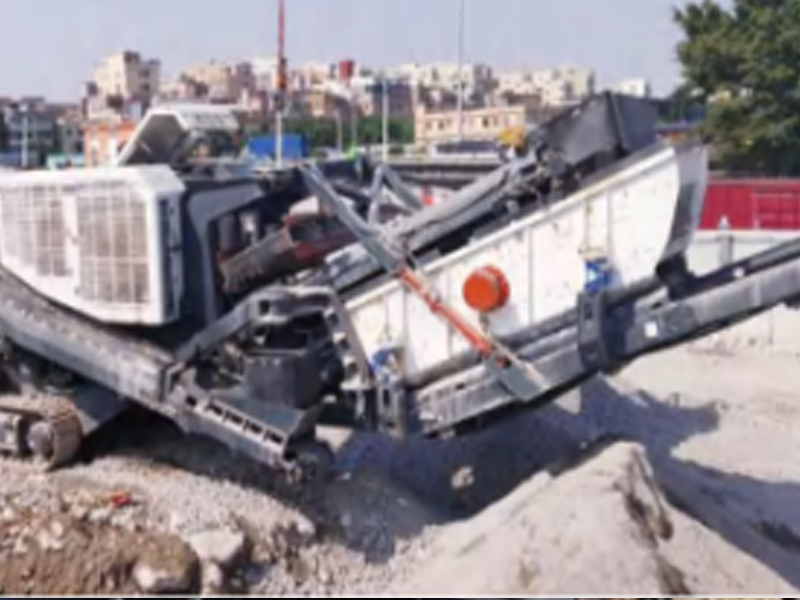
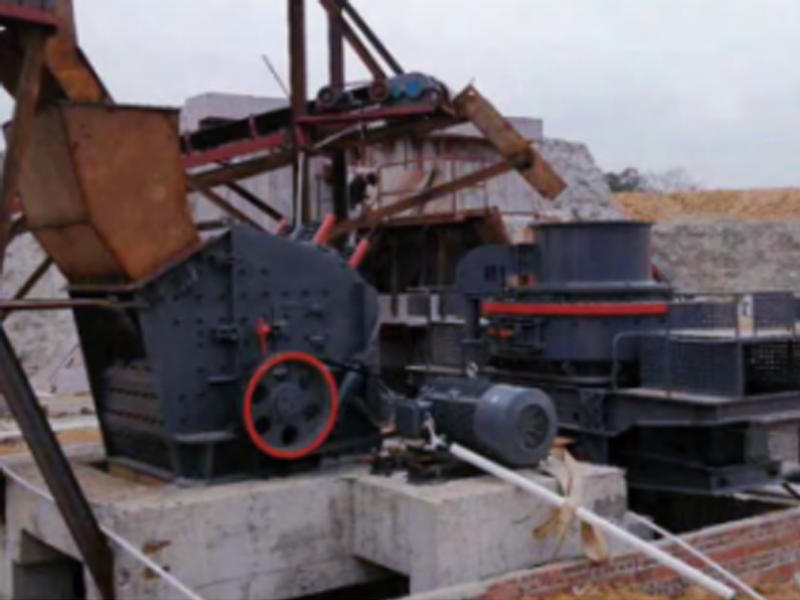
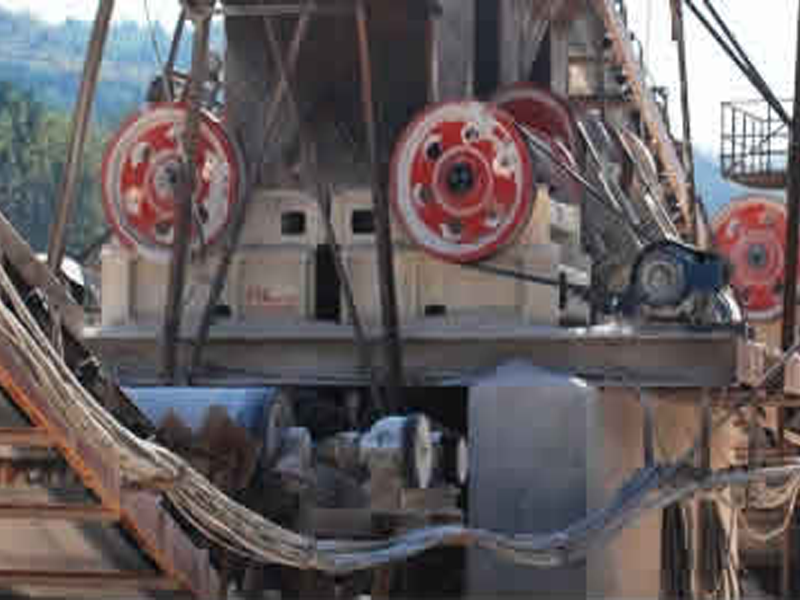
Basalt Crushers & Basalt Crushing Plants
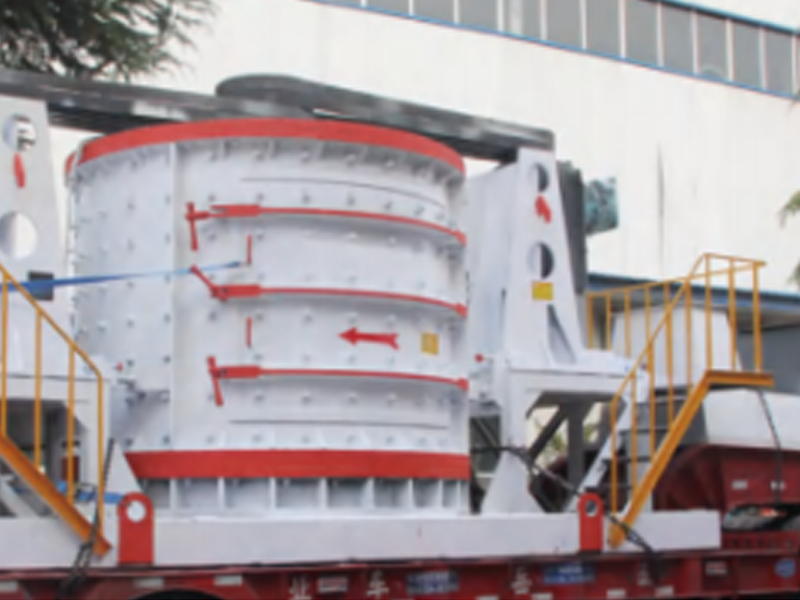
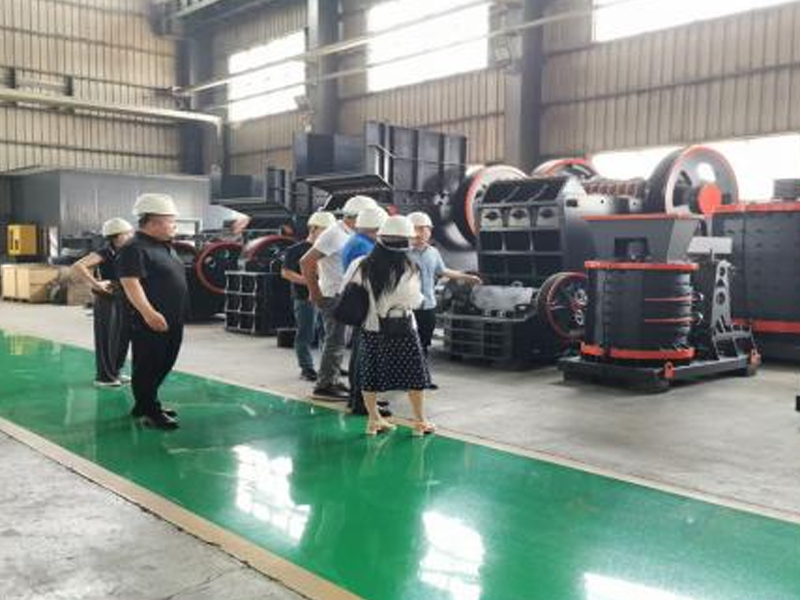
The diverse properties of basalt impose higher requirements on crusher performance and the configuration of basalt crushing equipment. We select different models of basalt crushers based on the specific type of basalt material to ensure optimal crushing efficiency and product quality.
1. Two-Stage Crushing for Small-Scale Basalt Processing
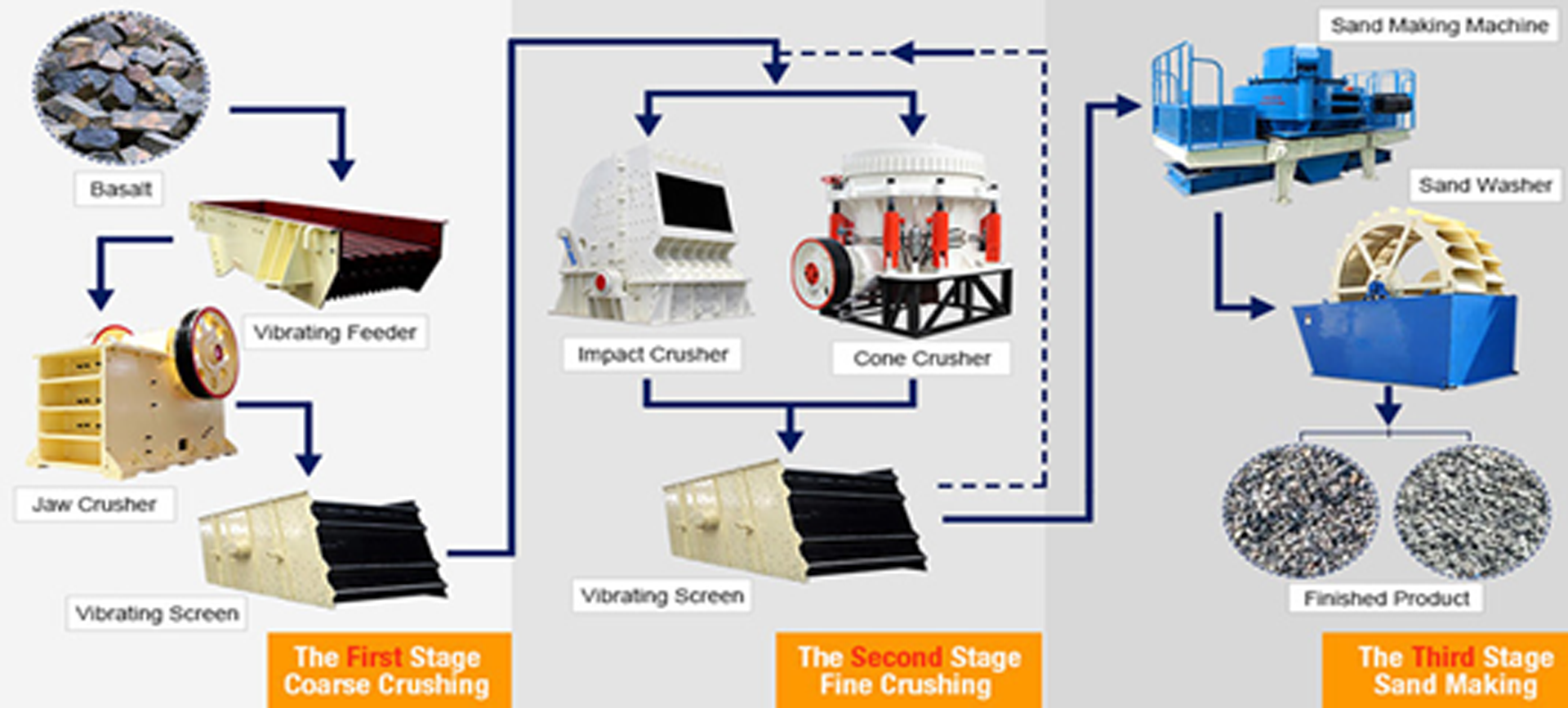
For small quantities of basalt raw materials used in smelting cast stone and fiber manufacturing, a two-stage crushing process is sufficient to meet requirements. Primary crushing is performed by a jaw crusher, and the crushed material is transported to a cone crusher via a conveyor belt for secondary crushing. Generally, no special screening equipment is required—sometimes a single primary crusher can fully satisfy the production needs.
2. Multi-Stage Crushing for Construction Coarse Aggregates
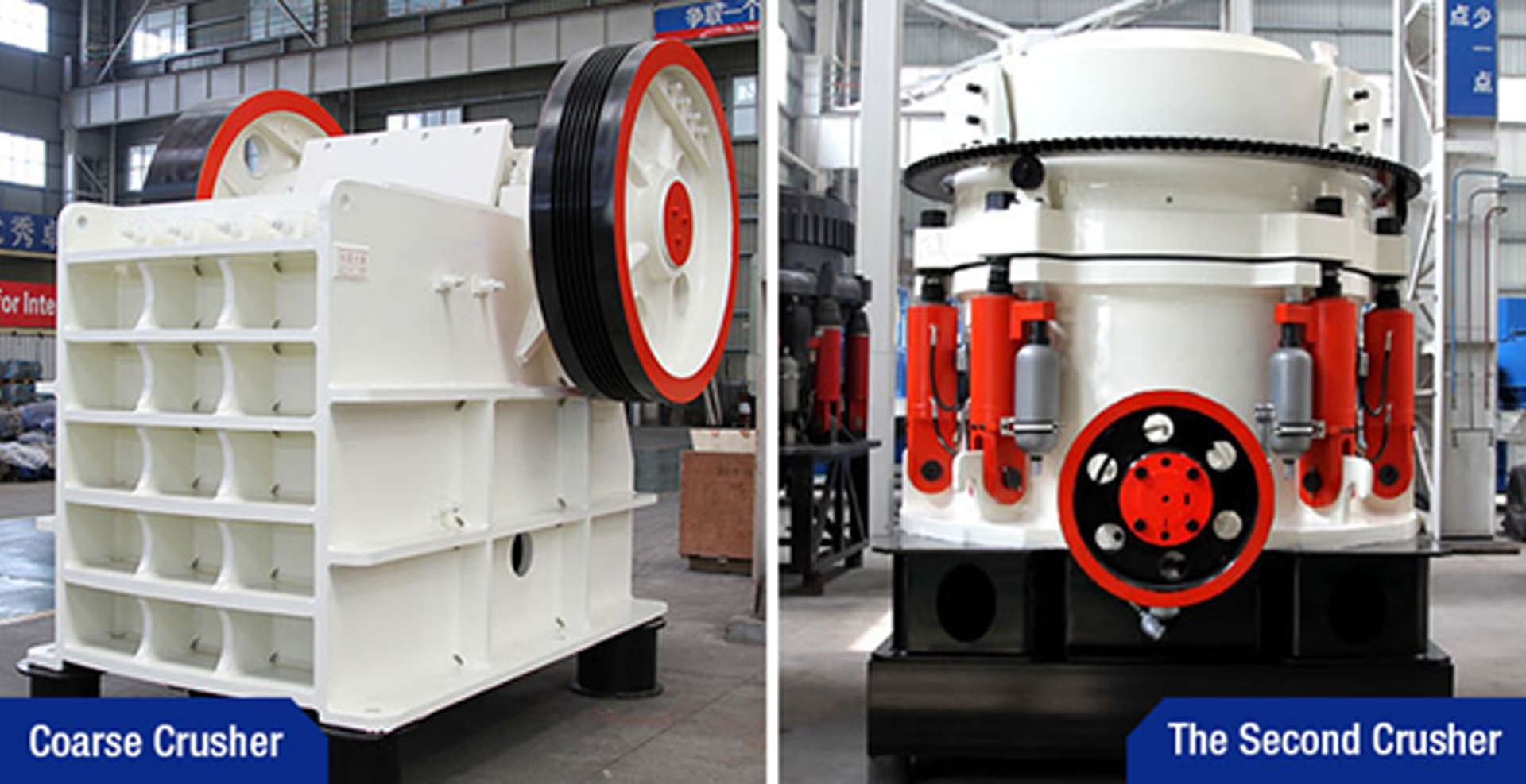
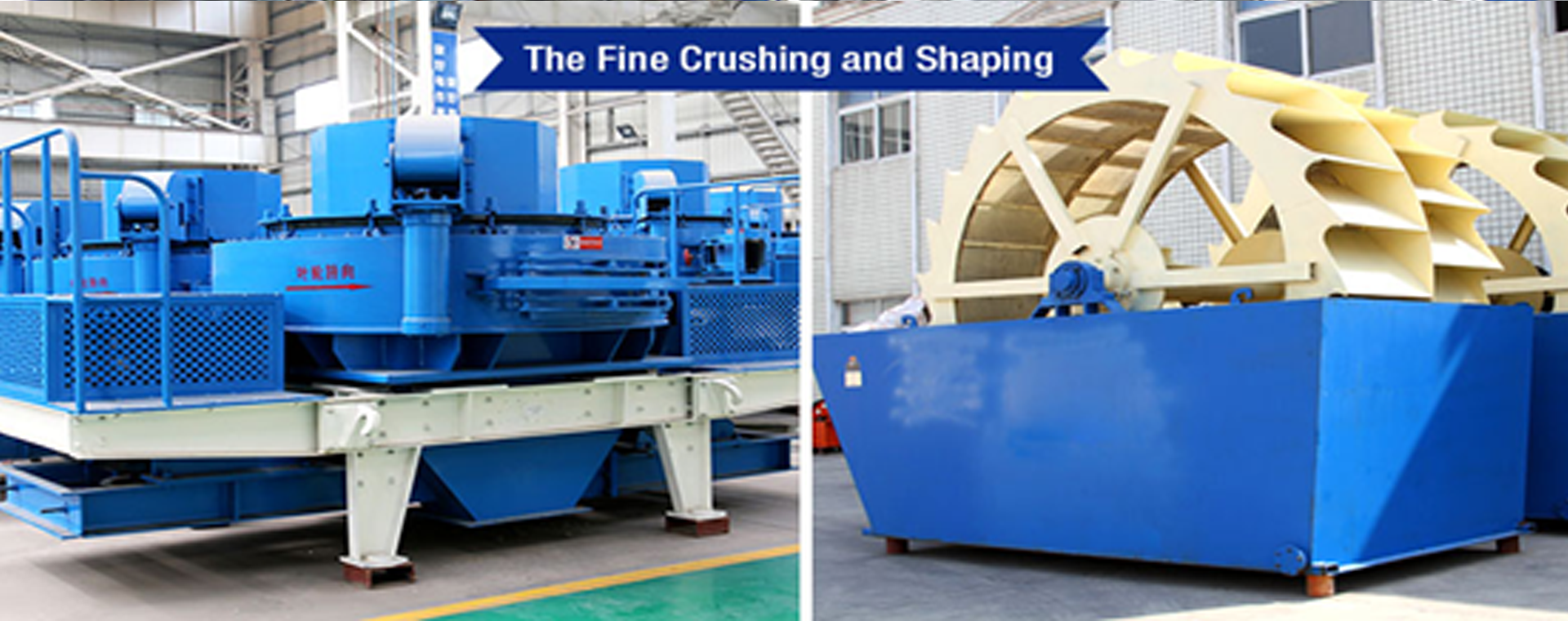
For basalt used as coarse aggregates in construction, multi-stage crushing is required. Typically, to obtain fine-grained materials, we select jaw crushers, impact crushers, and screening machines. Jaw crushers are suitable for primary crushing, cone crushers for secondary crushing, and impact crushers for fine crushing and shaping.
3. Fine Aggregate Production & Optimized Sand-Making Solution
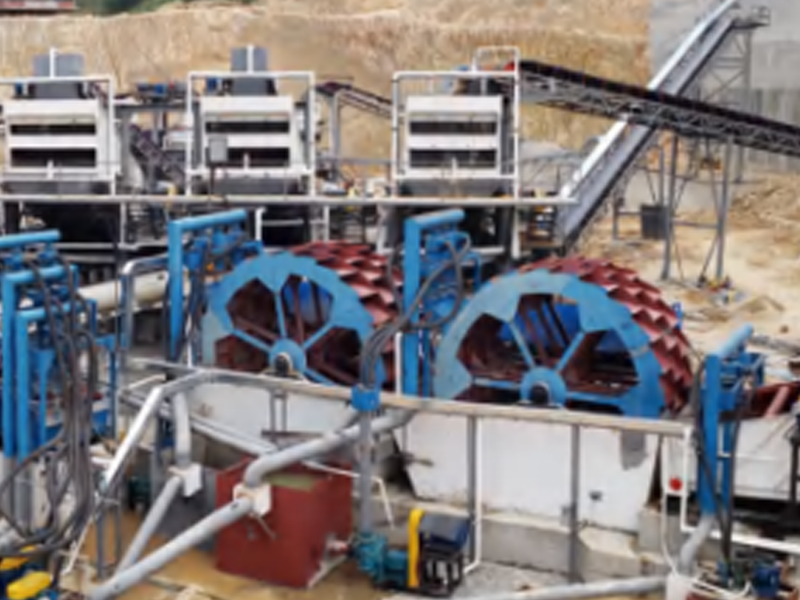
To obtain fine aggregates, impact crushers are required. However, since coarse aggregates account for 40%~60% of concrete composition while sand content only ranges from 15%~30%, direct basalt sand-making is not recommended. For this reason, we adopt slate as the raw material for manufactured sand production. This approach offers advantages such as high sand-making efficiency, maximum value conversion, and optimal resource utilization.
Our Customers
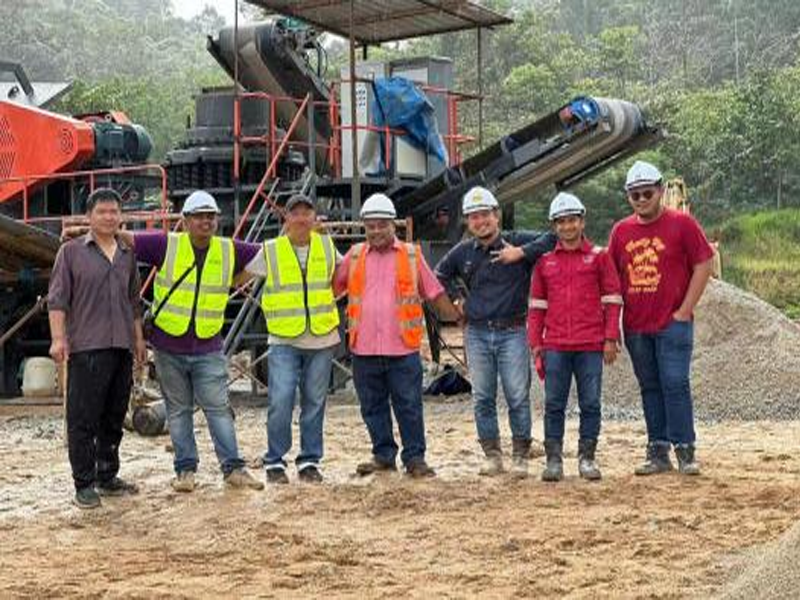
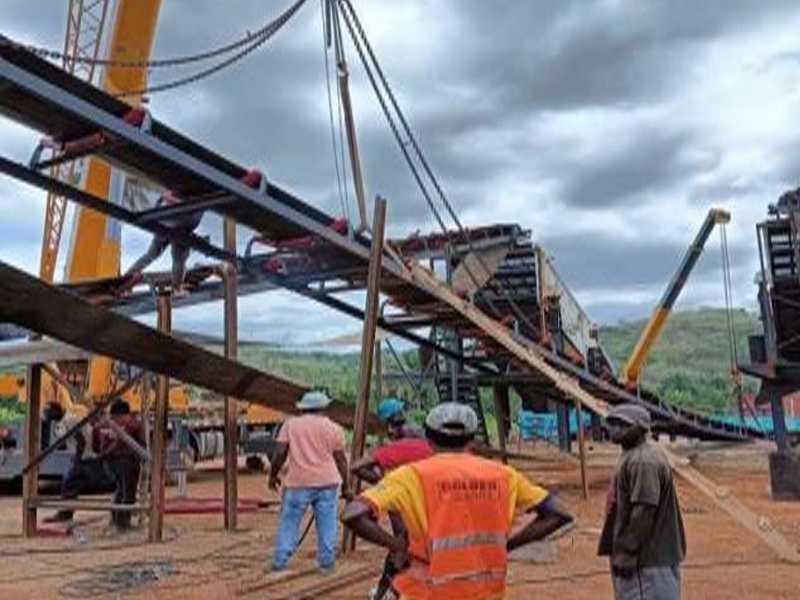
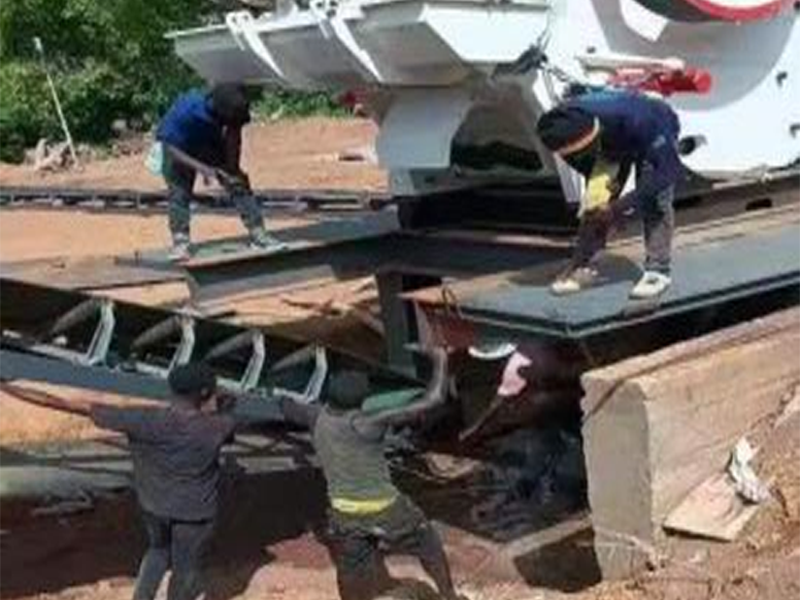
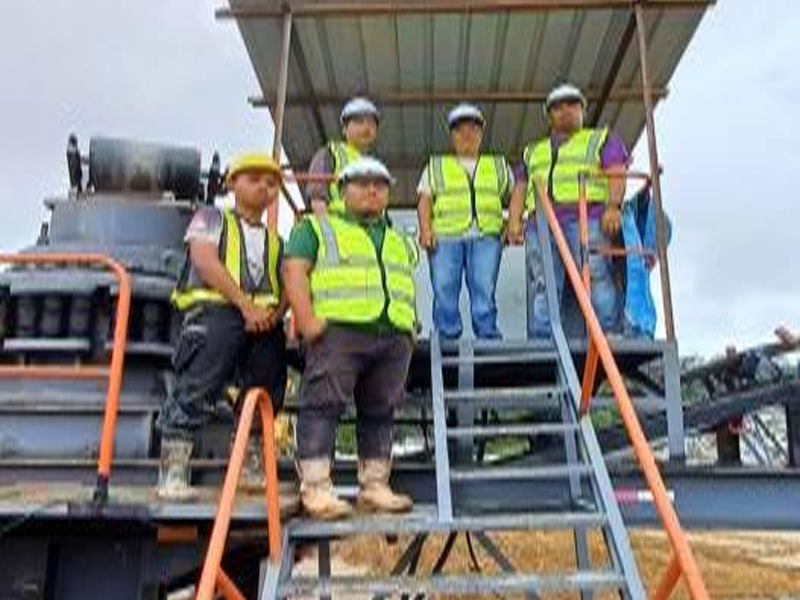
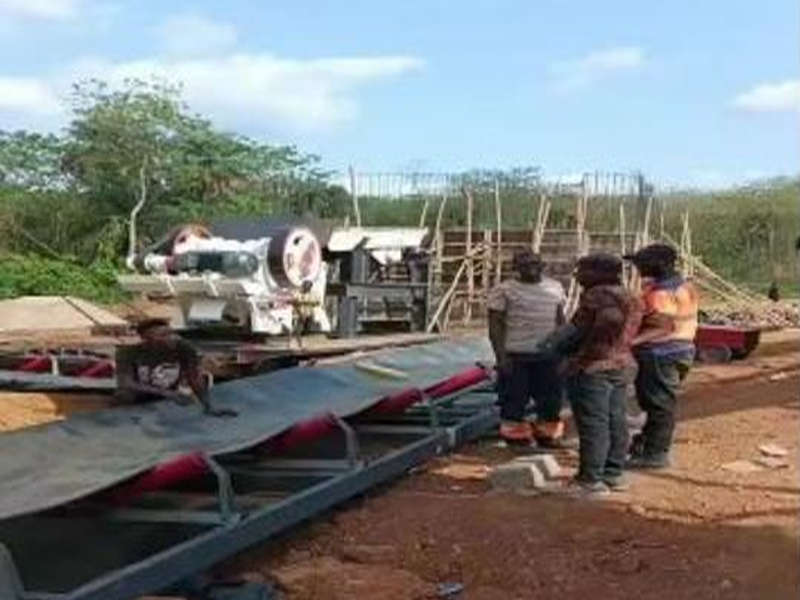
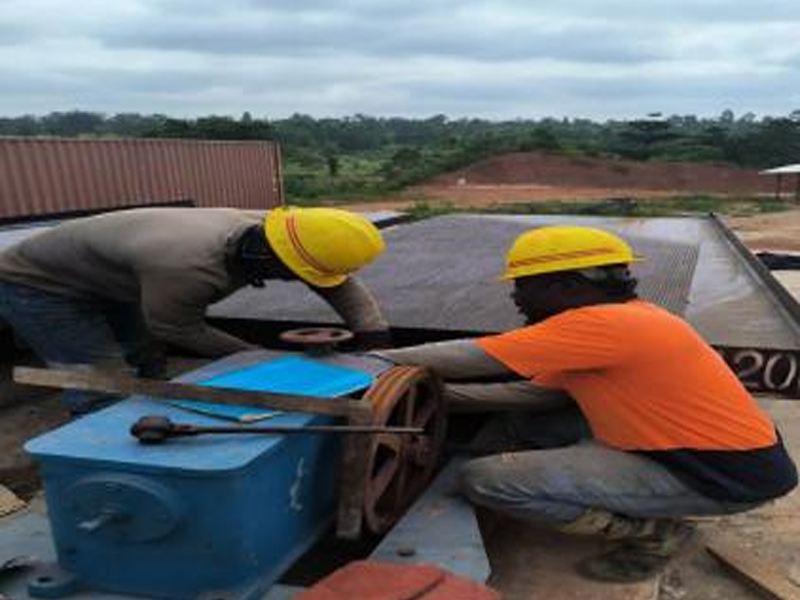
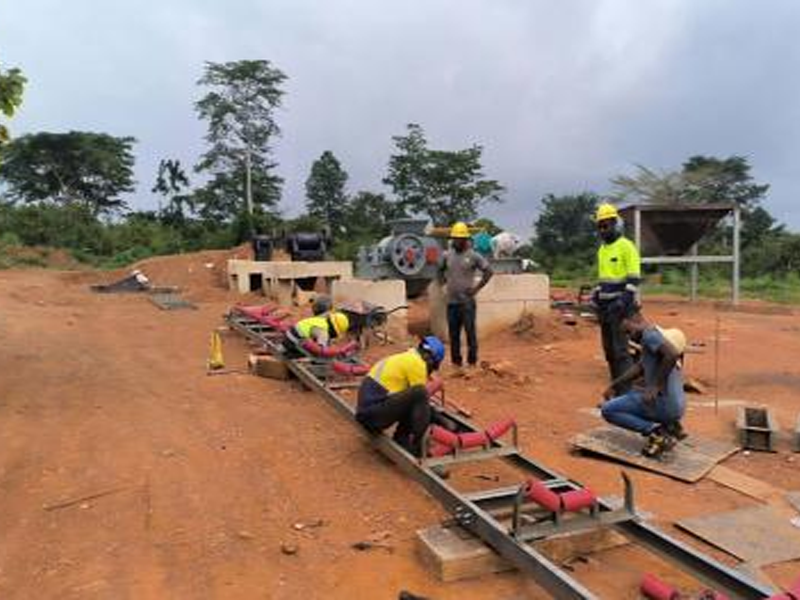
Our equipment has been installed worldwide, including regions such as South Africa, the Middle East, West Asia, India, the Philippines, Western Europe, and Southeast Asia.