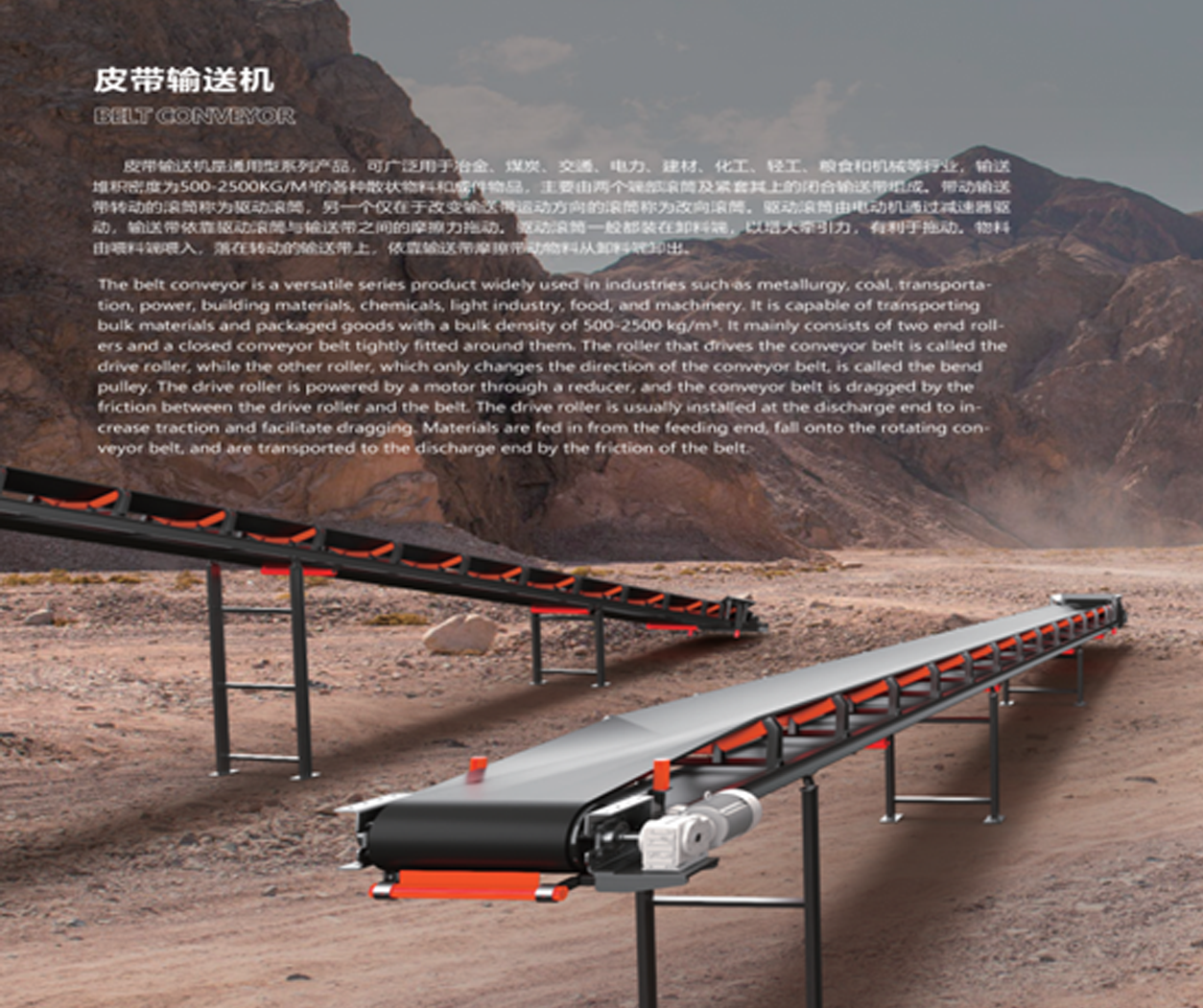
Belt Conveyor

Price: 150-450 USD/m (Minimum Order Quantity: 1 meter) (Reference Price – Contact Us Immediately)

Processing Capacity: 30-3000 Tonnes per Hour (30-3000t/h)
Conveying Speed: 1.0-2.0 m/s (supplemented with industry-standard unit for clarity)
Applicable Materials: Pebble, calcite, granite, quartz, concrete, dolomite, bluestone, iron ore, limestone, construction waste, etc.

Reference Price – Contact Us for Details

Email: YidaMachinery6@outlook.com

Introduction to Belt Conveyor

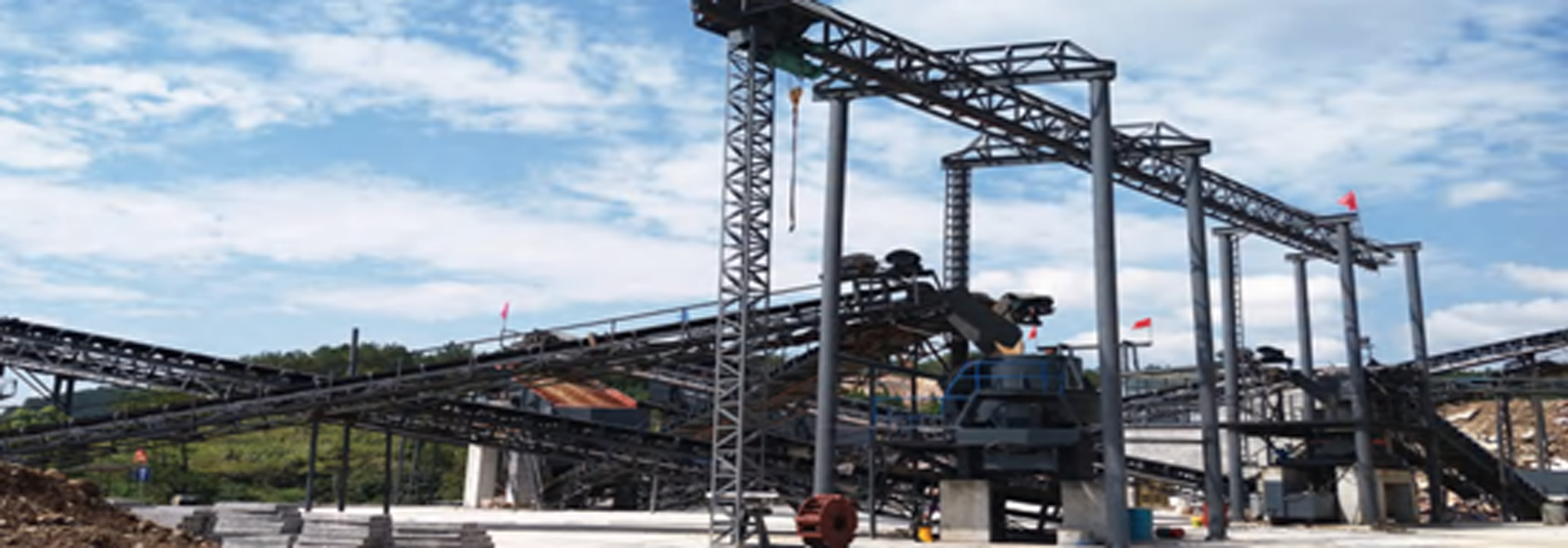
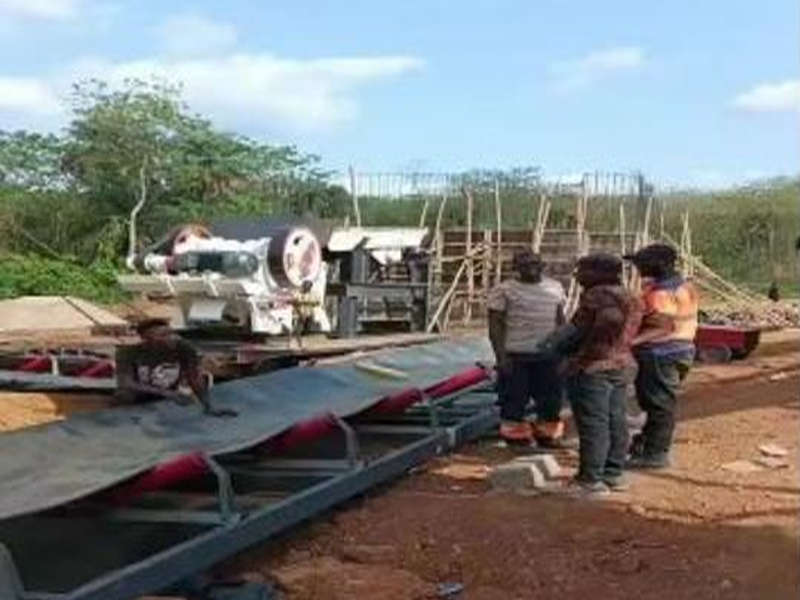
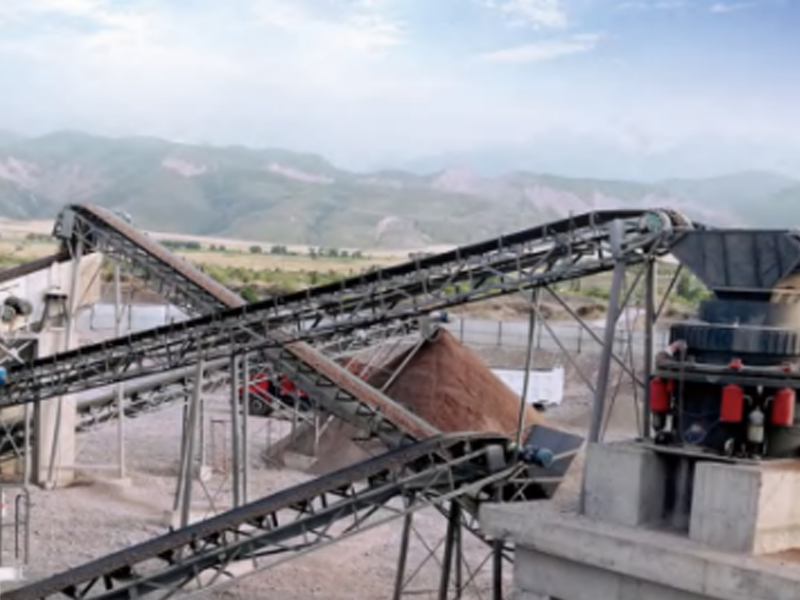
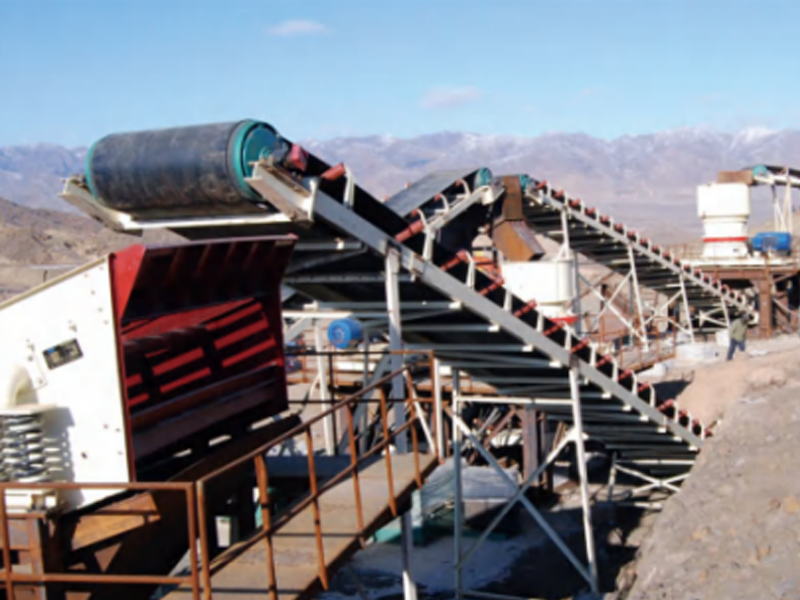
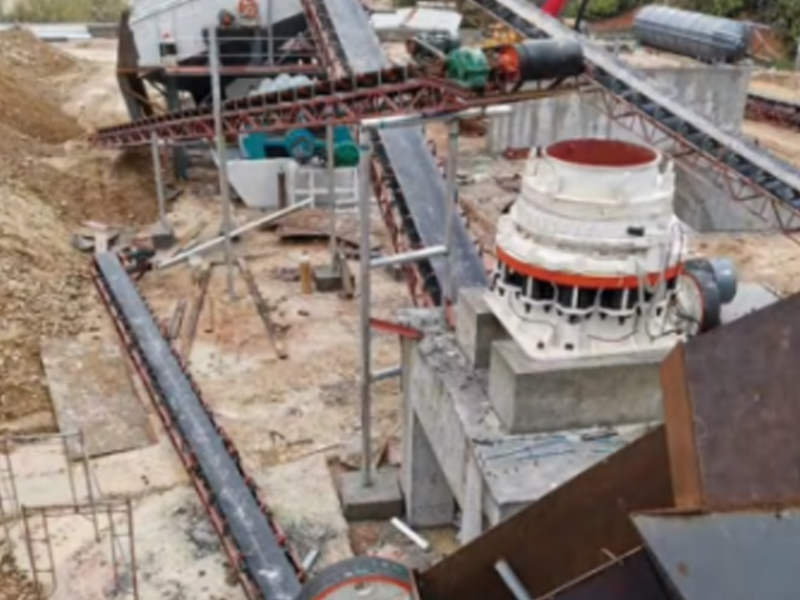
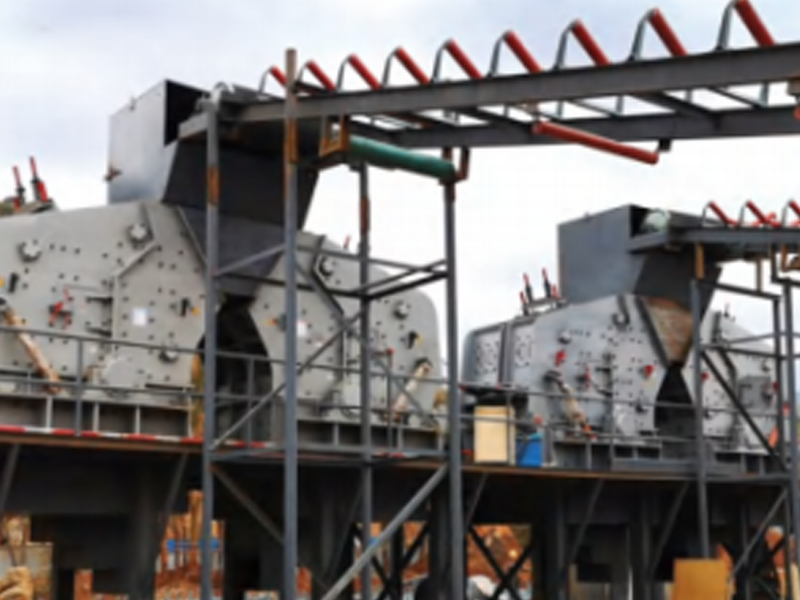
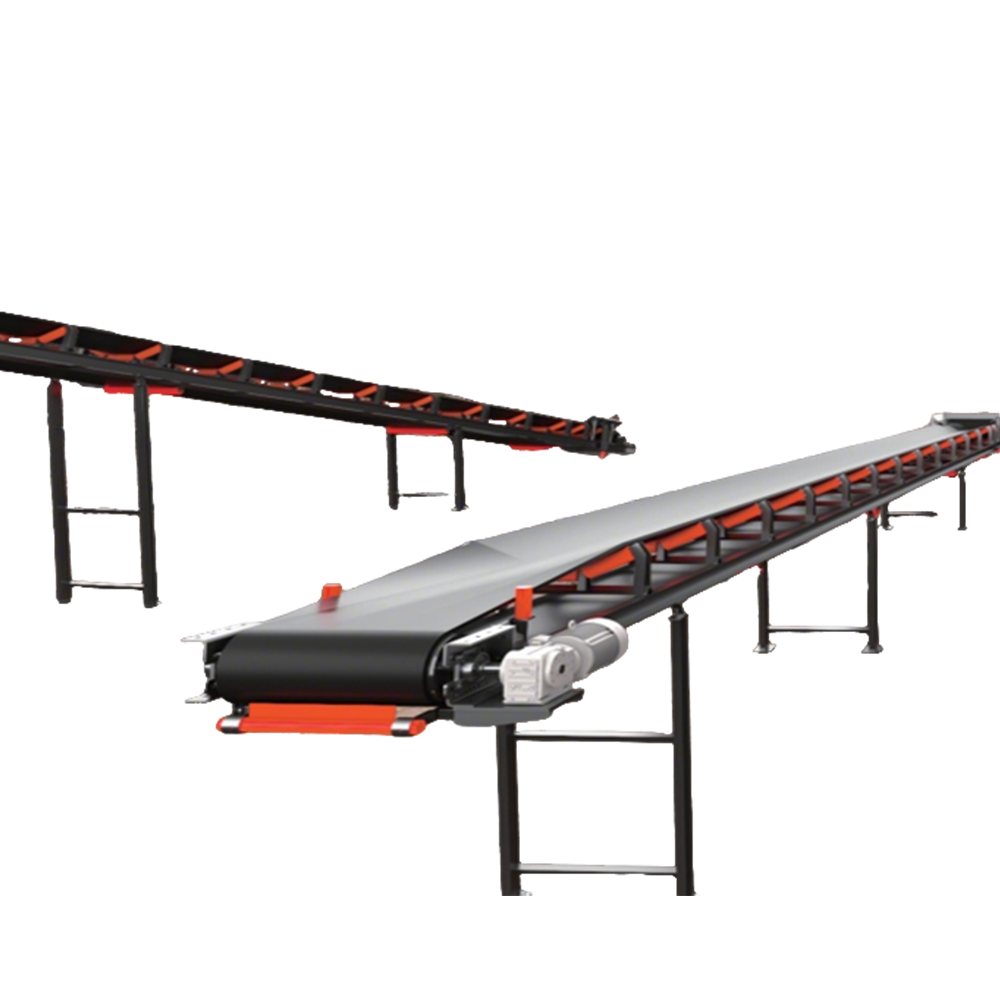
The belt conveyor (also called a belt transporter) is a core piece of equipment for continuous material conveying. Driven by an electric motor to circulate the conveyor belt, it enables long-distance, large-capacity transportation of block, powder, and granular materials. Featuring a simple structure, low energy consumption, and strong adaptability, it serves as the “material transportation link” in production lines across various industries.

Core Components

It is mainly composed of the following parts:
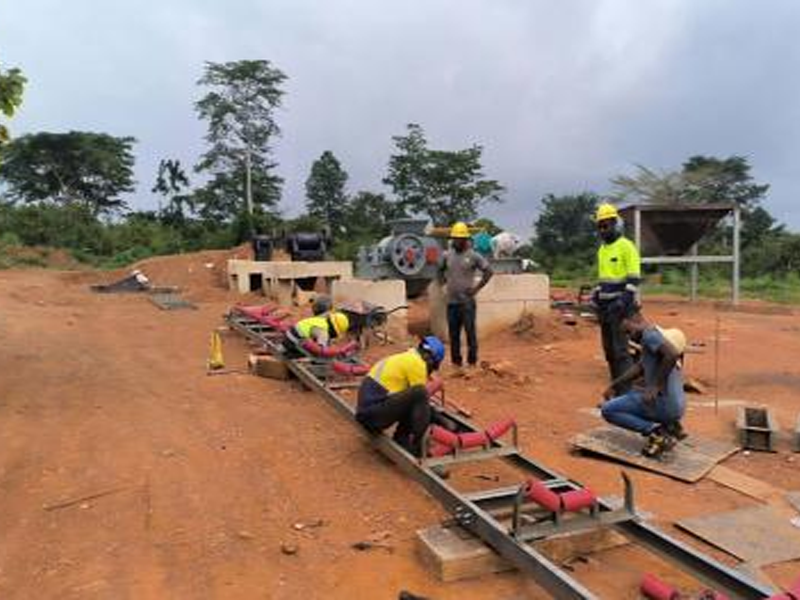
  • Conveyor belt: Carries materials, available in materials such as rubber, canvas, and steel cord core.
  • Drive unit: Consists of an electric motor and a reducer to provide power.
  • Rollers/idlers: Support the conveyor belt and reduce friction.
  • Tensioning device: Maintains belt tension and prevents slippage.
  • Frame: Provides overall structural support.
  • Discharging/cleaning device: Assists in material discharge and removes residue from the conveyor belt.

Core Advantages

  1. High Conveying Capacity: A single unit can transport tens to thousands of tons of materials per hour, suitable for large-scale production.
  2. Wide Application Range: Capable of conveying various materials including ores, sand and gravel, coal, grain, and chemical fertilizers. It can be used for horizontal conveying and inclined conveying (usually with an inclination angle ≤ 18°).
  3. Stable Operation: Enables uninterrupted continuous operation with low maintenance costs. It can be seamlessly connected with crushing, screening, and feeding equipment to form an automated production line.

Working Video of Belt Conveyor

Applications of Belt Conveyor

The core function of a belt conveyor is the long-distance, large-capacity continuous transportation of bulk, powdery, and granular materials. It adapts to material transfer throughout the entire “raw material → processing → finished product” workflow, serving as the “transportation link” in production lines across various industries.

1. Mining and Mineral Processing Industry

  • Mining Site Transfer: In open-pit or underground mines, transport raw ores (limestone, iron ore, granite) from the mining area to crushing stations, silos, or from crushing stations to screening equipment, enabling continuous mining operations.
  • Mineral Processing Connection: Convey screened ores and ground ore slurry (via specialized conveyor belts) to magnetic separation or flotation equipment, or transport finished concentrates to storage areas, ensuring uninterrupted mineral processing workflows.

2. Construction Materials and Sand Production

  • Sand and Gravel Line Transfer: In sand and gravel plants, transport raw materials such as river pebbles and basalt from silos to sand making machines, or convey crushed and screened finished aggregates (fine sand, crushed stone) to concrete mixing stations or finished product stockyards.
  • Building Materials Product Conveyance: Cement plants and gypsum factories use enclosed belt conveyors to transport powdered finished products (cement, gypsum powder) to storage tanks, avoiding dust pollution. Ceramic tile factories transport ceramic raw materials and semi-finished blanks.

3. Highway/Railway Infrastructure Projects

  • Subgrade Aggregate Transfer: At infrastructure construction sites, transport subgrade crushed stone and gravel from processing areas to subgrade paving sites, or transfer recycled construction waste aggregates (crushed concrete blocks, asphalt) to backfilling areas.
  • Engineering Material Conveyance: During the construction of large bridges and tunnels, transport materials such as steel, cement, and sand to the work site, reducing manual handling and improving construction efficiency.

4. Coal and Chemical Industry

  • Full-Process Coal Conveyance: Coal mines transport raw coal from underground/mining areas to coal washing plants. After washing, lump coal and fine coal are separately conveyed to power plants and coking plants, or transferred to ports for shipping via long-distance belt conveyors (e.g., dedicated port coal transport lines).
  • Chemical Raw Material/Product Conveyance: Chemical enterprises transport raw materials such as salt ore and phosphate ore to reaction equipment, or convey chemical fertilizers (granules) and chemical powders (via enclosed conveyors) to finished product warehouses, preventing corrosion and pollution.

5. Metallurgy and Port Logistics

  • Metallurgical Raw Material Transfer: Steel mills transport iron ore and coke to blast furnaces, or convey steel slag and scrap steel to recycling and processing equipment, adapting to smelting rhythms.
  • Port Terminal Loading/Unloading: Ports use belt conveyors to transfer bulk cargo (coal, grain, ore) unloaded from ships to storage yards, or from storage yards to trains and trucks, enabling efficient loading and unloading operations.

6. Grain and Agricultural Processing

  • Grain Storage and Transportation: Grain depots and flour mills transport wheat, corn, soybeans, etc., from harvesting vehicles to silos, or from silos to processing equipment (e.g., flour mills), reducing grain loss.
  • Agricultural Product Processing: Feed factories transport raw materials such as straw and corn cobs to crushers, or convey finished feed pellets to packaging lines. Oil presses transport oil crops (peanuts, soybeans) to pressing equipment.

Technical Data、

Belt Width Transport Length (m)/Power (kW) Transport Speed (m/s) Transport Capacity (t/h)
400 ≤10 12–15 15-30 1.25–2.0 30–80
3 3-4 4-7.5
500 ≤10 12–15 15-30 1.25–2.0 40–80
3 4-5.5 5.5-7.5
650 ≤10 12–15 15-30 1.25–2.0 80–120
4 7.5 7.5-15
800 ≤10 12–15 15-30 1.25–2.0 120–200
4 7.5 7.5-15
1000 ≤10 10-20 20-40 1.25–2.0 200–320
5.5 7.5-11 11-22
1200 ≤10 10-20 20-40 1.25–2.0 290–480
7.5 7.5-15 15-30
1400 ≤10 10-20 20-40 1.25–2.0 400–680
11 15-22 22-45
1600 ≤10 10-20 20-50 1.25–2.0 600–1080
15 22-30 30-75
1800 ≤10 10-20 20-50 1.0–2.0 800–1500
18.5 30-45 45-110
2000 ≤10 10-20 20-50 1.0–2.0 1000–2000
22 45-55 55-132
2400 ≤10 10-20 20-50 1.0–2.0 1500–3000
30 55-75 75-185

Note: The processing capacity may vary depending on the material and feed size.

Reviews

There are no reviews yet.

Be the first to review “Belt Conveyor”

Your email address will not be published. Required fields are marked *

Our Customers

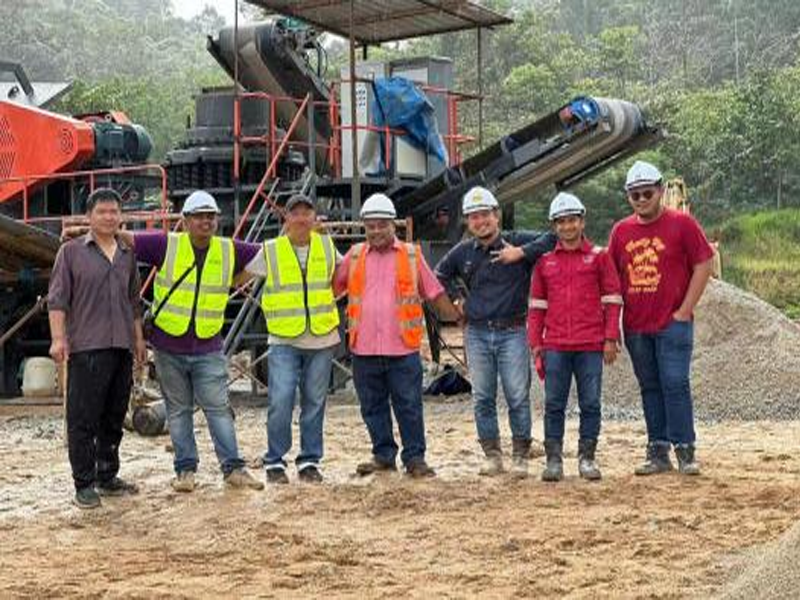
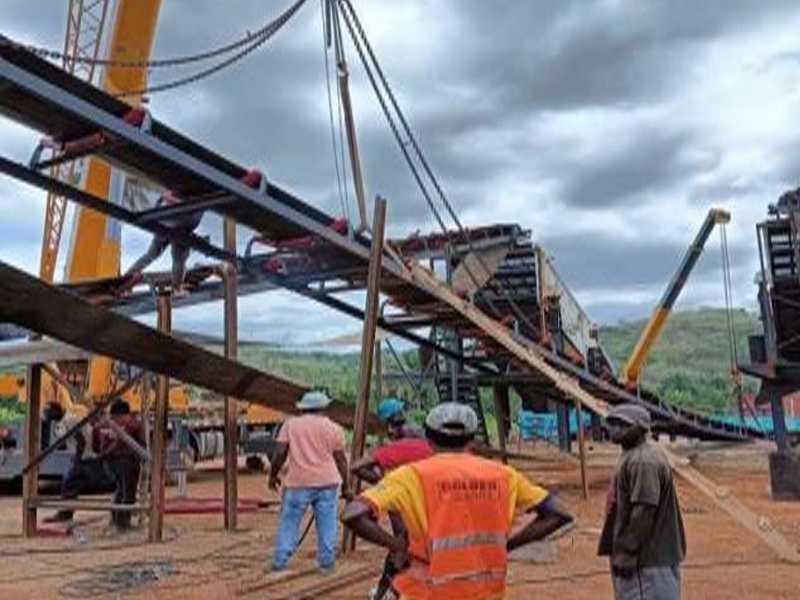
Our equipment has been installed worldwide, including regions such as South Africa, the Middle East, West Asia, India, the Philippines, Western Europe, and Southeast Asia.

RELATED PRODUCTS