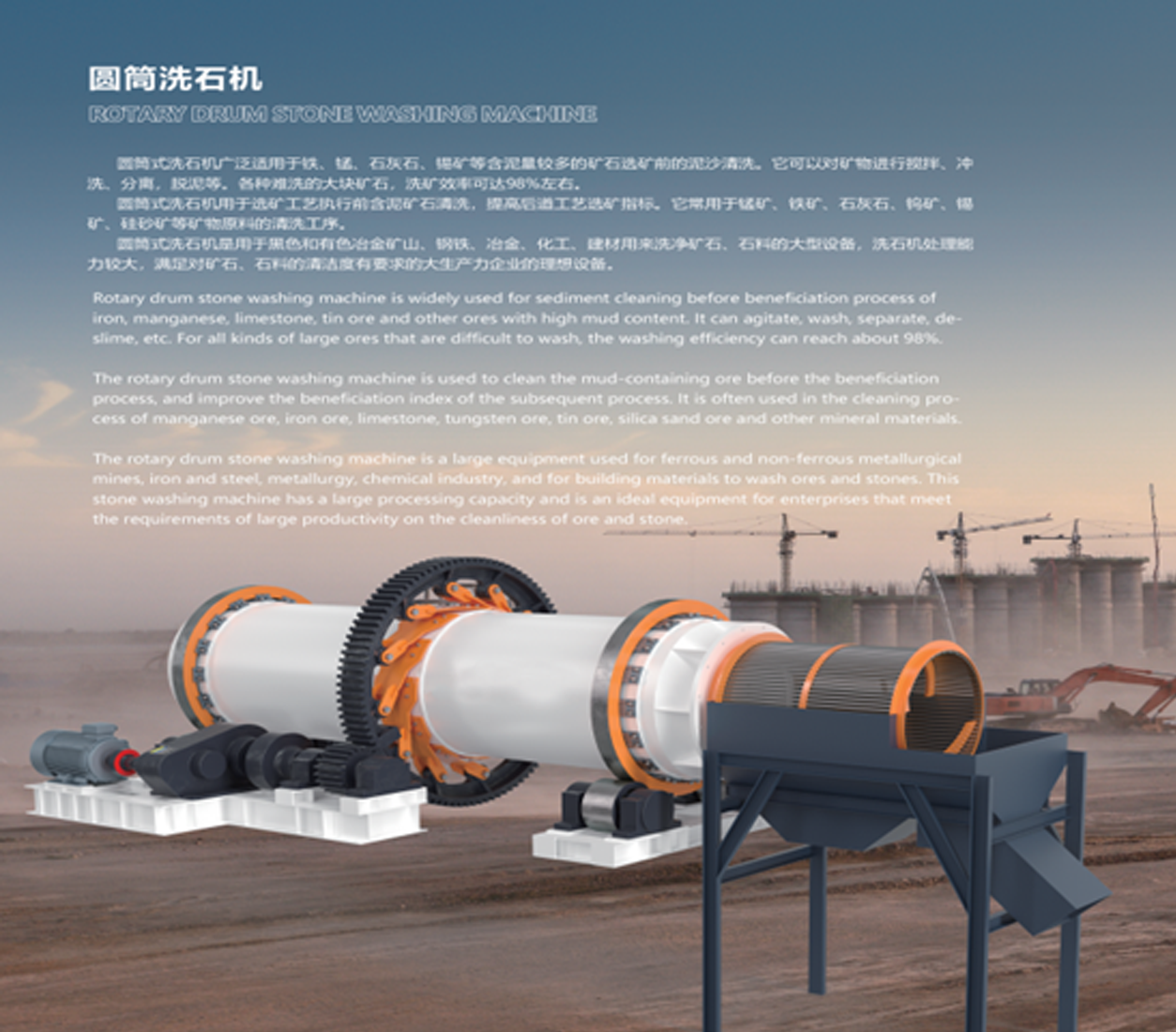
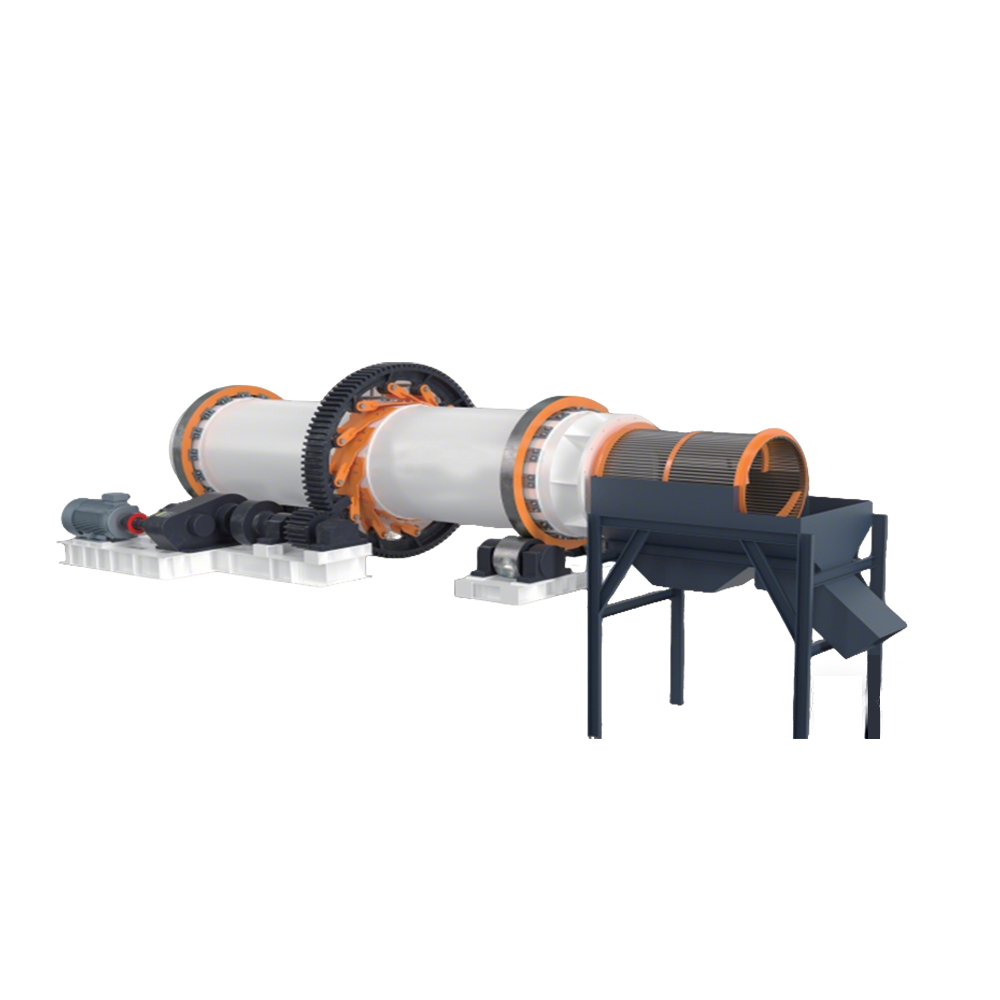
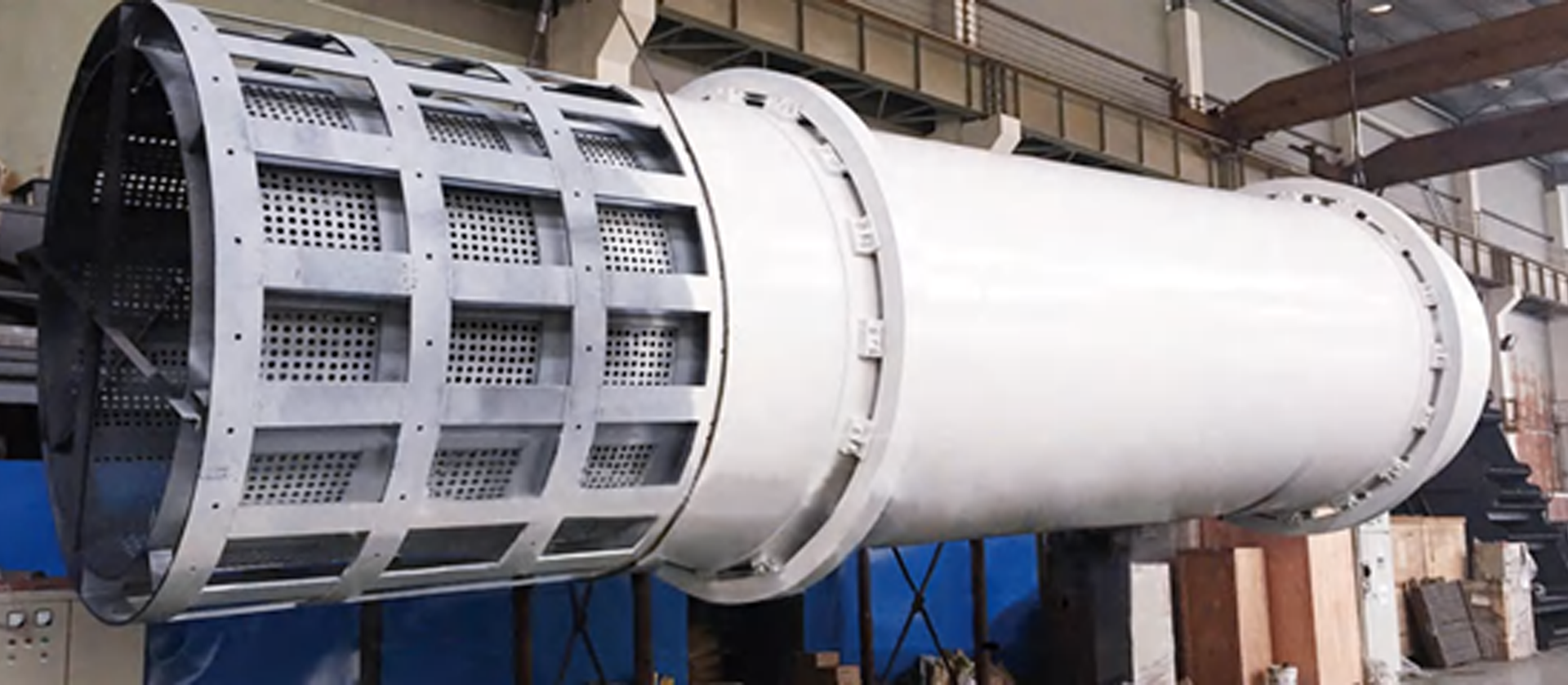
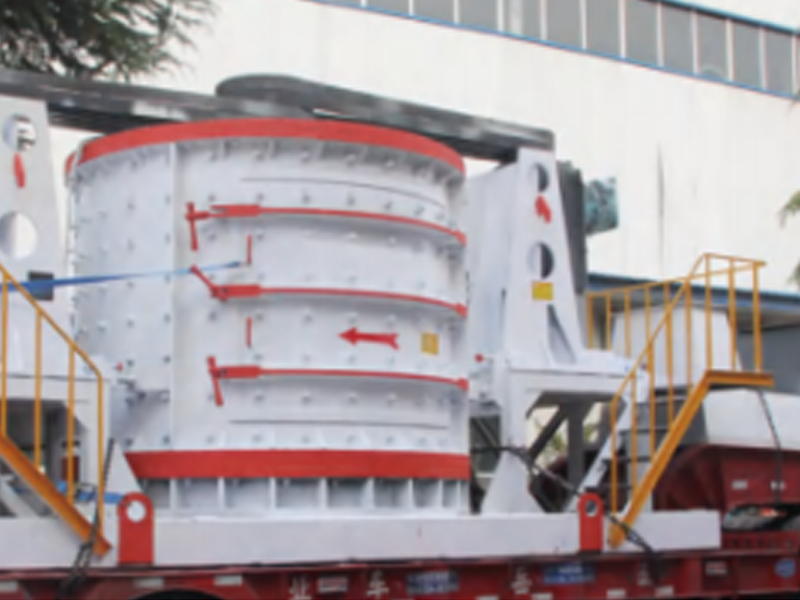
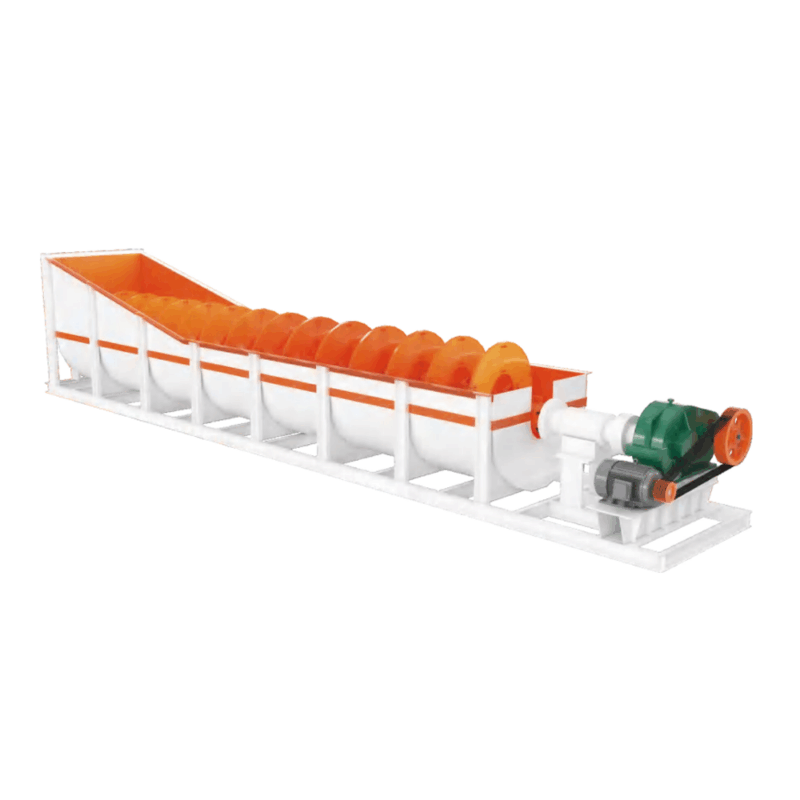
The rotary drum stone washing machine is widely applicable for cleaning sand and mud from high-clay-content ores (such as iron ore, manganese ore, limestone, and tin ore) prior to mineral processing. It can perform mixing, rinsing, separation, desliming, and other operations on minerals. For various large-sized ores that are difficult to clean, the ore washing efficiency can reach approximately 98%.
This machine is used to clean clay-bearing ores before mineral processing, improving the beneficiation indicators of subsequent processes. It is commonly applied in the cleaning process of mineral raw materials including manganese ore, iron ore, limestone, tungsten ore, tin ore, and silica sand ore.
As a large-scale equipment, the rotary drum stone washing machine is designed for cleaning ores and aggregates in ferrous and non-ferrous metallurgical mines, iron and steel industry, metallurgy, chemical engineering, and building materials industry. With its large processing capacity, it is an ideal choice for high-productivity enterprises requiring high cleanliness of ores and aggregates.
Working Video of Drum Washer
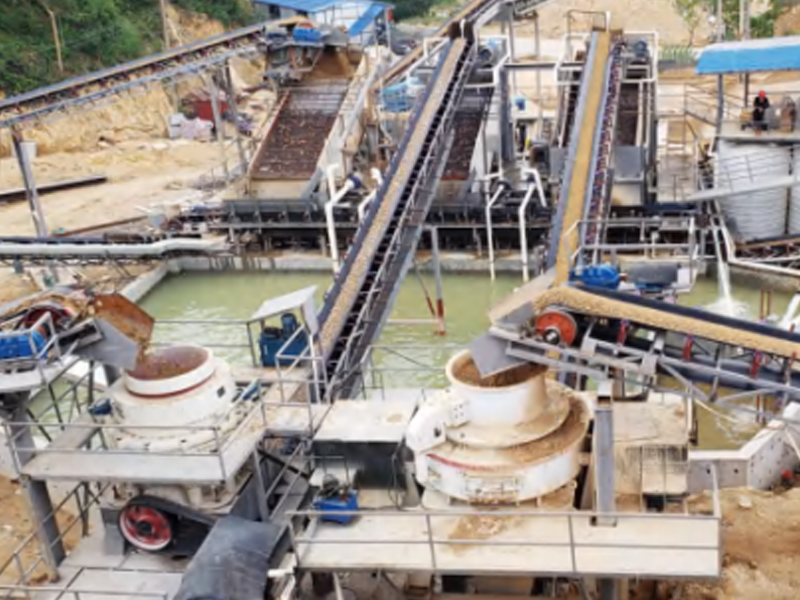
The core function of the rotary drum stone washing machine is the rough washing and desliming of large/medium-sized aggregates. Driven by the drum’s rotation, it achieves friction and scrubbing between aggregates and water, featuring large processing capacity, wear resistance, and durability. It is suitable for preprocessing scenarios of raw materials with high mud and impurity content, especially for the initial purification of high-hardness aggregates.
- Natural Stone Cleaning: Processes natural raw materials such as river pebbles, cobblestones, granite, and limestone (usually with a particle size of 5-100mm), removing surface-attached soil, dust, and weathered layers. This reduces the load on subsequent crushing, screening, and sand-making processes, preventing equipment wear caused by soil or adverse effects on finished sand quality (e.g., prior to river pebble sand making, the rotary drum stone washing machine performs desliming first to reduce the wear of the sand making machine’s inner lining).
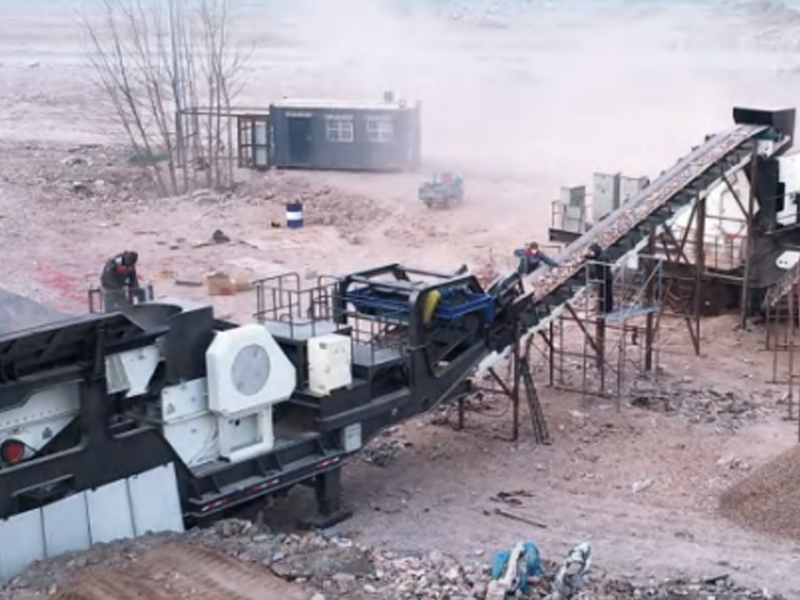
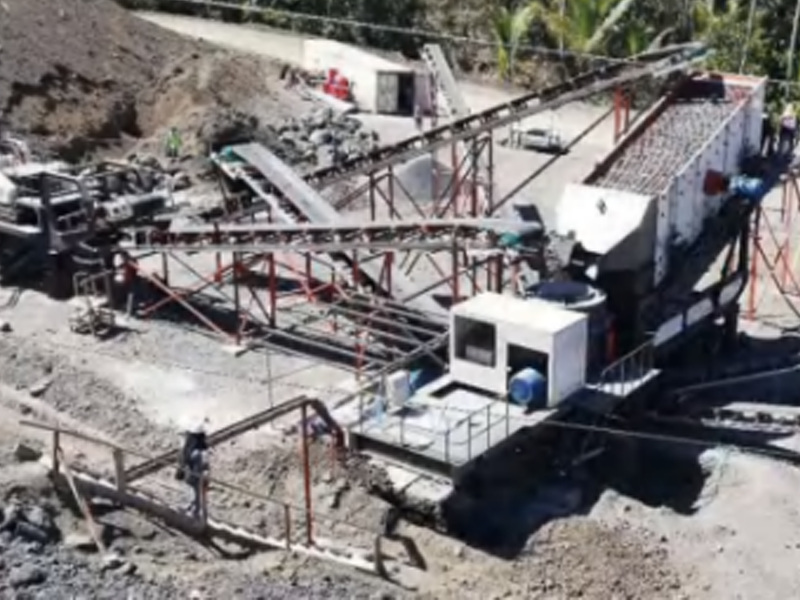
- Mine Rough Stone Cleaning: Rough stones mined from open-pit mines (with a large amount of soil and slag) are cleaned by the rotary drum stone washing machine, facilitating subsequent classification and screening and improving the recovery rate of qualified aggregates.
- Subgrade Aggregate Purification: Processes crushed stones for subgrades (such as rocks excavated from mountains and river gravel) at infrastructure construction sites. The rotary drum stone washing machine removes soil and impurities from the aggregate surface, ensuring the cleanliness of subgrade aggregates and avoiding soil from affecting subgrade compaction and bearing capacity (e.g., aggregates used for high-speed railway subgrades must meet standards after treatment by the stone washing machine before laying).
- Bridge Deck/Tunnel Aggregate Treatment: Performs initial desliming on coarse aggregates (such as large granite and basalt) used for bridge foundations and tunnel linings, laying the foundation for subsequent refined processing (e.g., fine crushing and shaping) and ensuring the structural strength of engineering projects.
- Recycled Aggregate Preprocessing: Treats coarse aggregates after construction waste crushing (such as large concrete blocks and masonry), cleans surface-attached cement paste and dust, and removes impurities. The processed aggregates can be used as raw materials for subgrade backfilling and recycled concrete coarse aggregates, improving the utilization rate of solid waste resources.
- Mixing Station Raw Material Cleaning: Large concrete mixing stations perform secondary cleaning on purchased coarse aggregates (such as crushed stones and pebbles), especially for aggregates with excessive mud content during the rainy season. The rotary drum stone washing machine achieves rapid desliming, ensuring the aggregate mud content ≤1% and avoiding adverse effects on concrete strength.
- Chemical Raw Material Impurity Removal: Processes bulk chemical raw materials such as salt ore and phosphate ore, removing surface soil and clay impurities to ensure the purity of raw materials for subsequent processing (e.g., crushing and acidolysis) and avoid impurities interfering with chemical reactions (e.g., prior to using phosphate ore for chemical fertilizer production, soil is washed away to reduce acid consumption).
- Metallurgical Raw Material Cleaning: Cleans metallurgical raw materials such as iron ore and manganese ore. After desliming, it improves the efficiency of mineral processing (e.g., magnetic separation and flotation), reduces the consumption of mineral processing reagents, and increases the grade of concentrate.
- River/Reservoir Dredging Aggregates: Treats sand and gravel aggregates produced from river dredging and reservoir dredging (usually with a mud content of more than 20%). The rotary drum stone washing machine achieves efficient desliming, separating sludge from sand and gravel, and realizing the resource utilization of dredging waste (e.g., washed dredged sand and gravel can be used for sand making or subgrades).
- Clay Ore-Associated Aggregates: Processes aggregates such as limestone and shale associated with clay, specifically removing clay impurities to meet the purity requirements of building materials (e.g., brick and tile making) or chemical raw materials.



Reviews
There are no reviews yet.