Introduction to Tire Mobile Crushing Station
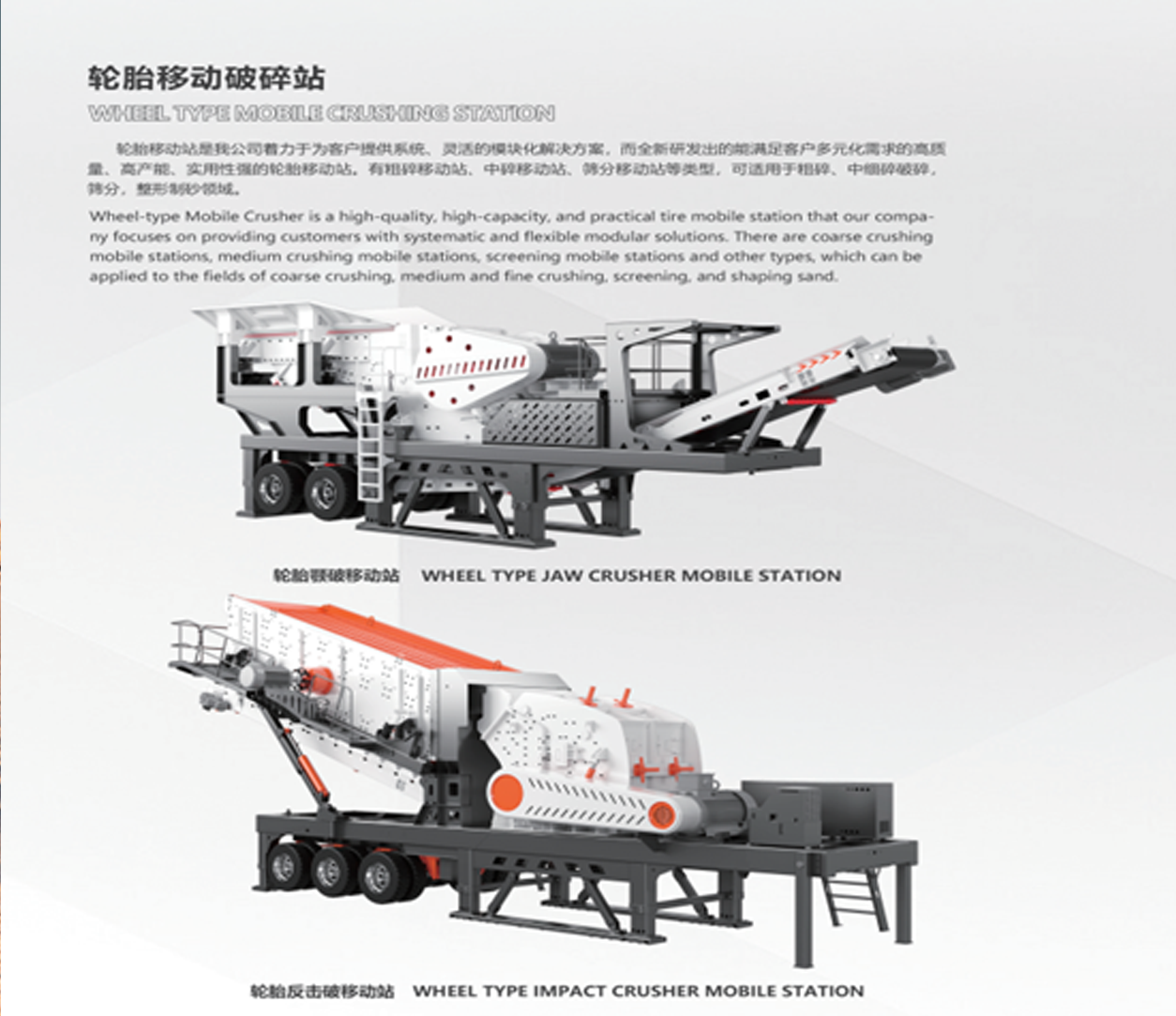
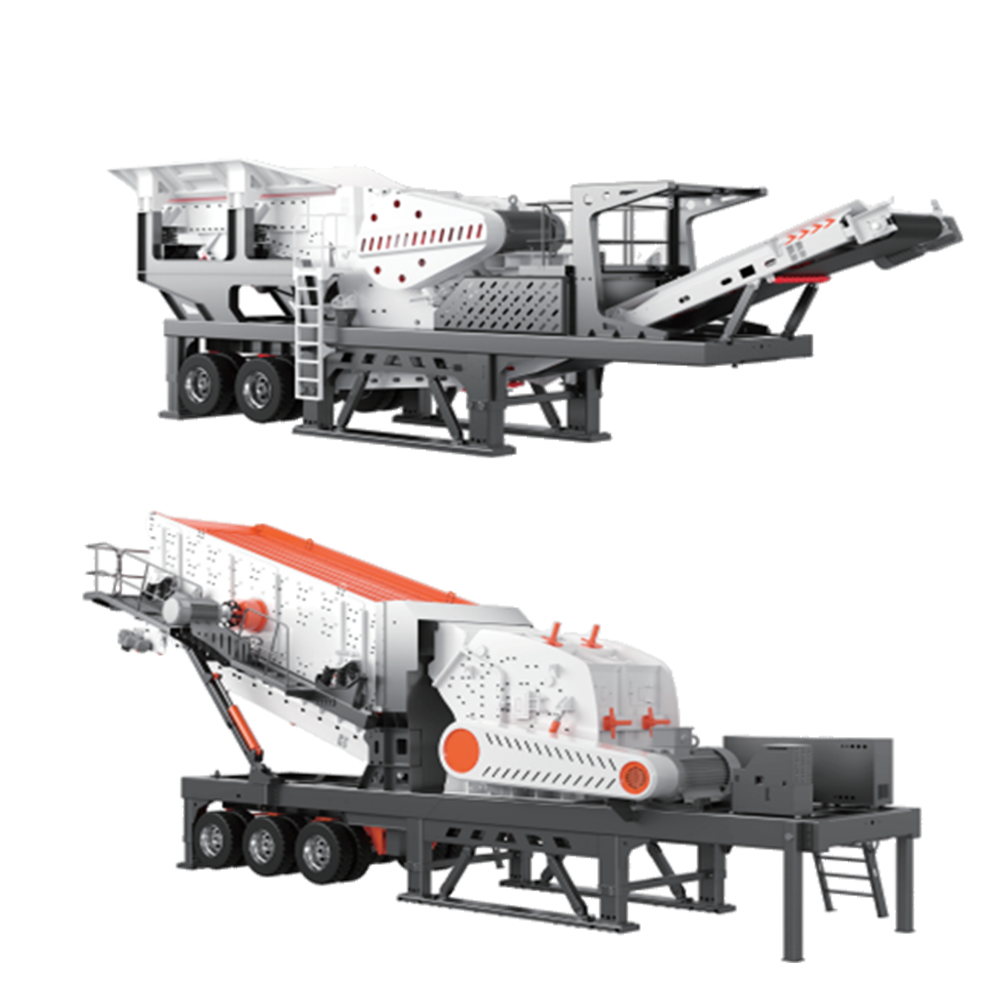
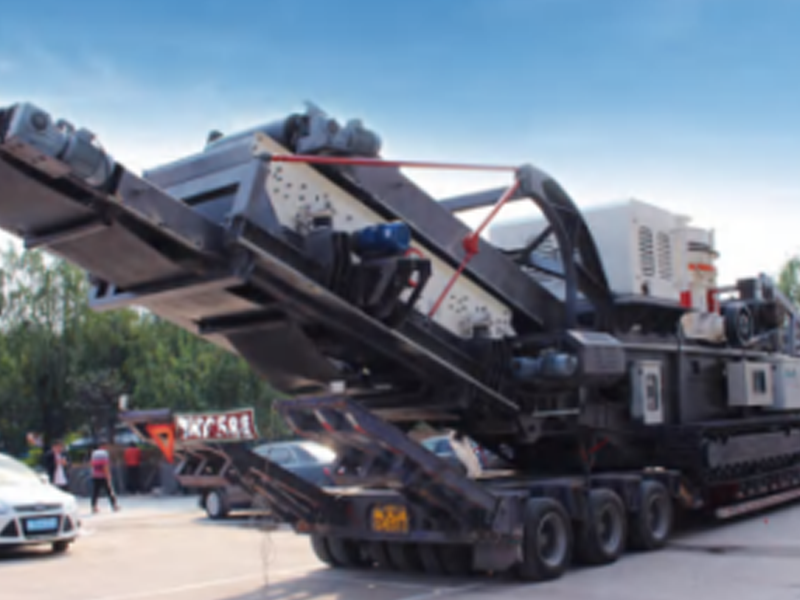
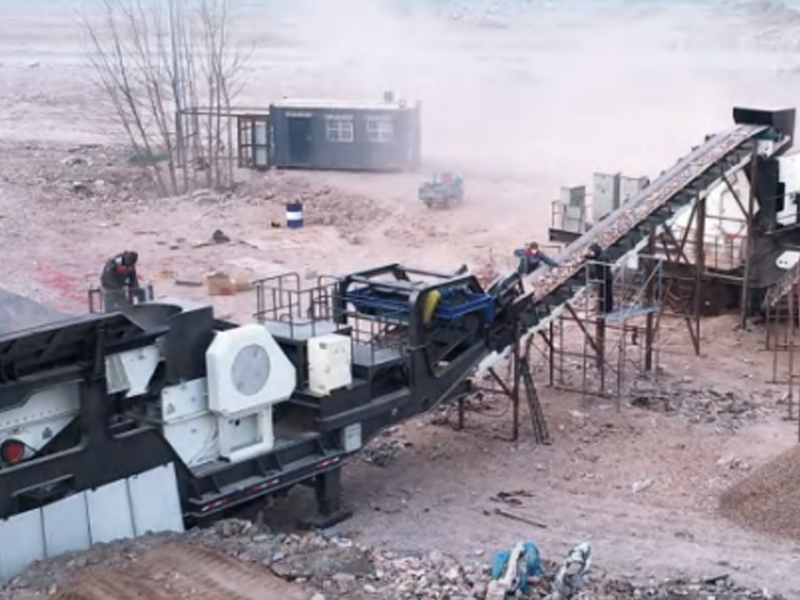
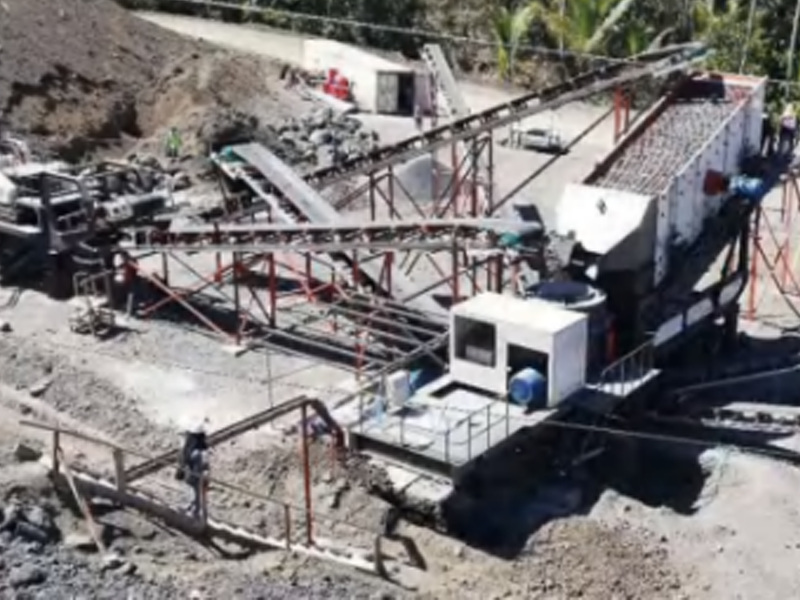
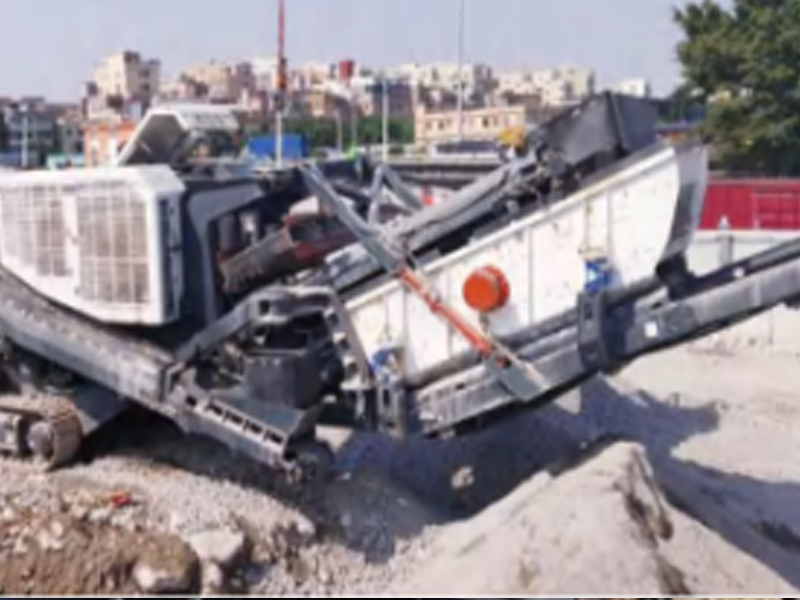
In addition to the main crushing equipment of a high-performance jaw crusher, the tire mobile jaw crusher is also equipped with an on-board feeder and a high-strength vibrating screen. Featuring short length, light weight, strong mobility and adaptability, flexible combination, and low material transportation costs, it delivers unexpected results in primary crushing, secondary crushing, and sand-making operations.
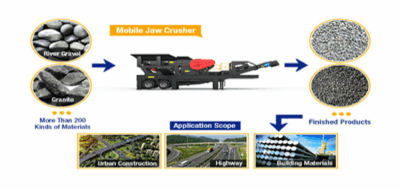
Free from the constraints of fixed crushing sites and high material transportation costs, the tire mobile jaw crusher has become a new type of stone crushing equipment, successfully realizing on-site crushing and local operation. It is mainly applied in industries such as metallurgy, chemical engineering, and building materials, and is particularly suitable for mobile crushing of various materials in projects such as highways, railways, water supply, and power supply.
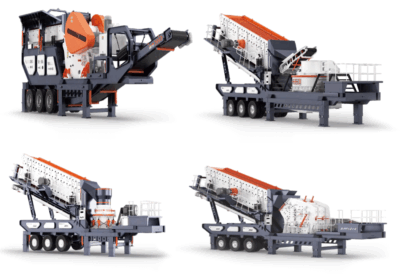
Tire Mobile Crushing Station
Developed as a core offering to deliver systematic and flexible modular solutions, our tire mobile crushing station is an all-new high-quality, high-capacity, and practical equipment designed to meet customers’ diverse needs. Available in types such as primary crushing mobile station, secondary crushing mobile station, and screening mobile station, it is suitable for primary crushing, secondary and fine crushing, screening, and shaping sand-making applications.
- All equipped main engines are custom-developed for mobile stations, featuring reliable performance, high output, efficient energy utilization, and convenient maintenance and adjustment. The equipment is easy to operate and service.
- The vibrating screen adopts thin oil self-lubrication, ensuring excellent lubrication effect and a long maintenance cycle—only requiring oil change every 8 months, which saves lubricant costs and labor expenses.
- Equipped with an integrated on-board intelligent automatic control system, making the operation, maintenance, and adjustment during crushing processes more convenient and accurate.
- No external belt conveyor is needed; on-site crane and belt conveyor erection are unnecessary. The equipment can be quickly installed and commissioned, and can be put into production within 24 hours after relocation, fully demonstrating the convenience and flexibility of the mobile station.
- All components are fully on-board with no need for disassembly during transportation, eliminating on-site installation procedures. The reasonable design of adjustable fixed outriggers enables foundation-free installation.
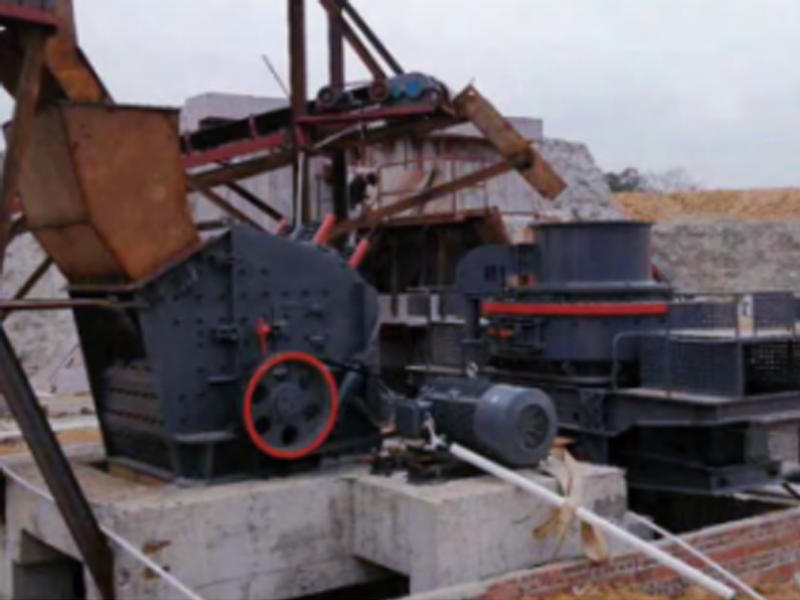
Interchangeable System for Jaw Crushers and Impact Crushers
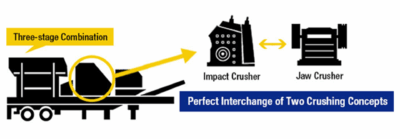
Invest in this single equipment set to achieve on-site interchange of different crushing units at mining operations within a short time. The perfect matching of the entire system, wider application scope, and comprehensive crushing functions will maximize customer benefits.
Curious about the price of the portable jaw crusher? Leave your email address and requirements on Ford Machinery’s official website now!
Working Video of Tire-Type Mobile Crushing Station
Applications of Tire Mobile Crushing Station
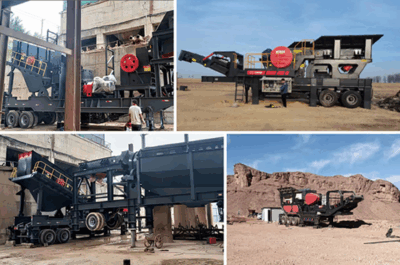
The core of the tire mobile crushing station is a road-mobile “flexible crushing unit.” Equipped with a tire chassis, it enables quick relocation on paved roads without the need for fixed foundations. Focusing on “convenient short-distance transportation and low site requirements,” it is ideal for scenarios demanding high relocation efficiency, such as urban peripheries and temporary yards.
- On-Site Processing at Demolition Sites: For the demolition of old urban residential areas, factories, or road renovation (e.g., concrete/asphalt pavement breaking), the equipment can be directly driven to the construction site to crush concrete blocks, bricks, and old pavement waste on-site. It produces recycled aggregates (for subgrade backfilling and permeable brick raw materials), reducing environmental pollution and transportation costs associated with construction waste disposal, while complying with urban environmental regulations.
- Temporary Construction Waste Sorting and Crushing: At temporary waste treatment facilities near cities, the equipment crushes and screens concentrated construction waste to separate recyclable materials (e.g., steel bars) and recycled aggregates, realizing solid waste resource utilization. The equipment can be quickly withdrawn without occupying long-term site space.
- Short-Distance Relocation Between Dispersed Mines: For small quarries (e.g., limestone, shale, and river pebble mines) in rural peripheries and hilly areas, the equipment can move quickly between multiple dispersed mining sites (relying on road transportation without the need for track-based site preparation). Crushed aggregates are directly transported to nearby building materials markets, enhancing operational flexibility.
- Seasonal/Temporary Yard Processing: Such as river sand yards after the rainy season or temporarily established stone processing sites, no fixed crushing lines need to be built. The equipment can quickly enter the site for production and be promptly transferred to other locations when the season ends or the yard is exhausted, reducing equipment idleness costs.
- Mobile Feeding Within Infrastructure Sections: For multiple sections of expressway and railway construction (especially in plains and paved road-covered areas), the equipment can be quickly transported between sections. It crushes rocks and gravel excavated within the sections on-site to produce subgrade aggregates, adapting to the construction progress of different sections and reducing cross-section aggregate transportation.
- Temporary Crushing for Maintenance Projects: For the maintenance of national and provincial highways (e.g., pothole repair and subgrade reinforcement), the equipment crushes old pavement materials or local stones on-site to produce maintenance aggregates, eliminating the need for long-distance transportation and improving maintenance efficiency (e.g., daily maintenance of rural highways and emergency repair of expressways).
- Transshipment Crushing of Imported Bulk Cargo: For imported bulk cargo such as iron ore, copper ore, and coal received at ports and terminals, if temporary crushing is required to achieve particle sizes suitable for subsequent transportation or processing (e.g., crushing large ore into tank-loadable fine materials), the equipment can quickly enter the site for operations and withdraw after completion without affecting the port’s regular loading and unloading.
- Port-Around Building Materials Processing: Leveraging the transportation advantages of ports, the equipment temporarily processes sand and gravel raw materials (e.g., imported river pebbles and local stones) near the port area. Crushed products are directly transported to various regions via the port, meeting the temporary needs of port-around building materials trade.
- Biomass Waste Crushing: For the temporary centralized crushing of straw, wood chips, and agricultural waste (e.g., corncobs and peanut shells), the equipment is used for biomass fuel processing or organic fertilizer raw materials. It can move between different villages, towns, and farms for operations.
- Temporary Treatment of Environmental Solid Waste: For small-scale industrial waste residues (e.g., slag and caked fly ash) and crushable materials in domestic waste, the equipment performs temporary crushing at environmental treatment sites to facilitate subsequent sorting, landfilling, or resource utilization, adapting to the flexible needs of small-scale solid waste treatment projects.
| Model |
FTM938HD86 |
FTM1149HD98 |
FTM1349HD110 |
FTM1349HD125 |
| Transport Length (mm) |
12600 |
13500 |
14500 |
15200 |
| Transport Width (mm) |
2600 |
2700 |
2800 |
2900 |
| Transport Height (mm) |
3870 |
4200 |
4450 |
4500 |
| Maximum Length (mm) |
12500 |
14000 |
16100 |
16700 |
| Maximum Width (mm) |
4100 |
4500 |
5100 |
5100 |
| Maximum Height (mm) |
4100 |
4900 |
5000 |
5300 |
| Weight (t) |
39 |
57 |
55 |
65 |
| Tire Configuration |
Biaxial |
Triaxial |
Triaxial |
Triaxial |
| Jaw Crusher |
HD86 |
HD98 |
HD110 |
HD125 |
| Maximum Feeding Size (mm) |
500 |
550 |
660 |
800 |
| Discharge Opening Range (mm) |
50-150 |
75-175 |
100-200 |
125-225 |
| Capacity (t/h) |
85-275 |
110-350 |
215-510 |
280-650 |
| Vibrating Feeder |
ZSW380×95 |
ZSW420×110 |
ZSW490×130 |
ZSW490×130 |
| Main Belt Conveyor |
B800×8.5m |
B1000×9.5m |
B1000×11m |
B1200×11m |
| Side-Opening Belt Conveyor (Optional) |
B500×3m |
B650×3.5m |
B650×4m |
B650×4m |
| Generator (Optional) |
200kW |
250kW |
270kW |
400kW |
| Iron Separator (Optional) |
RCYD(C)-8 |
RCYD(C)-10 |
RCYD(C)-10 |
RCYD(C)-12 |
Note: The processing capacity may vary depending on the material and feed size.



Reviews
There are no reviews yet.