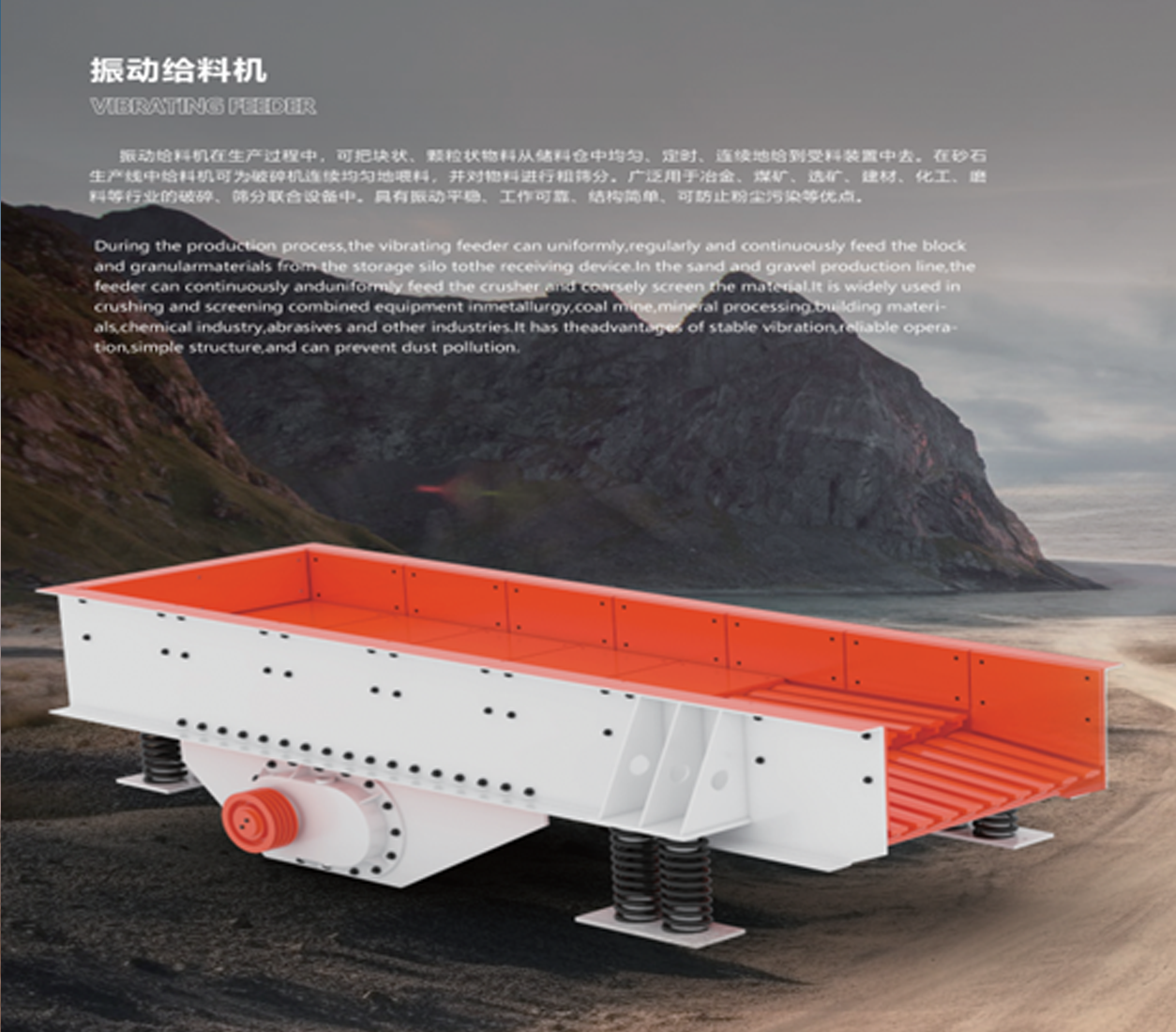
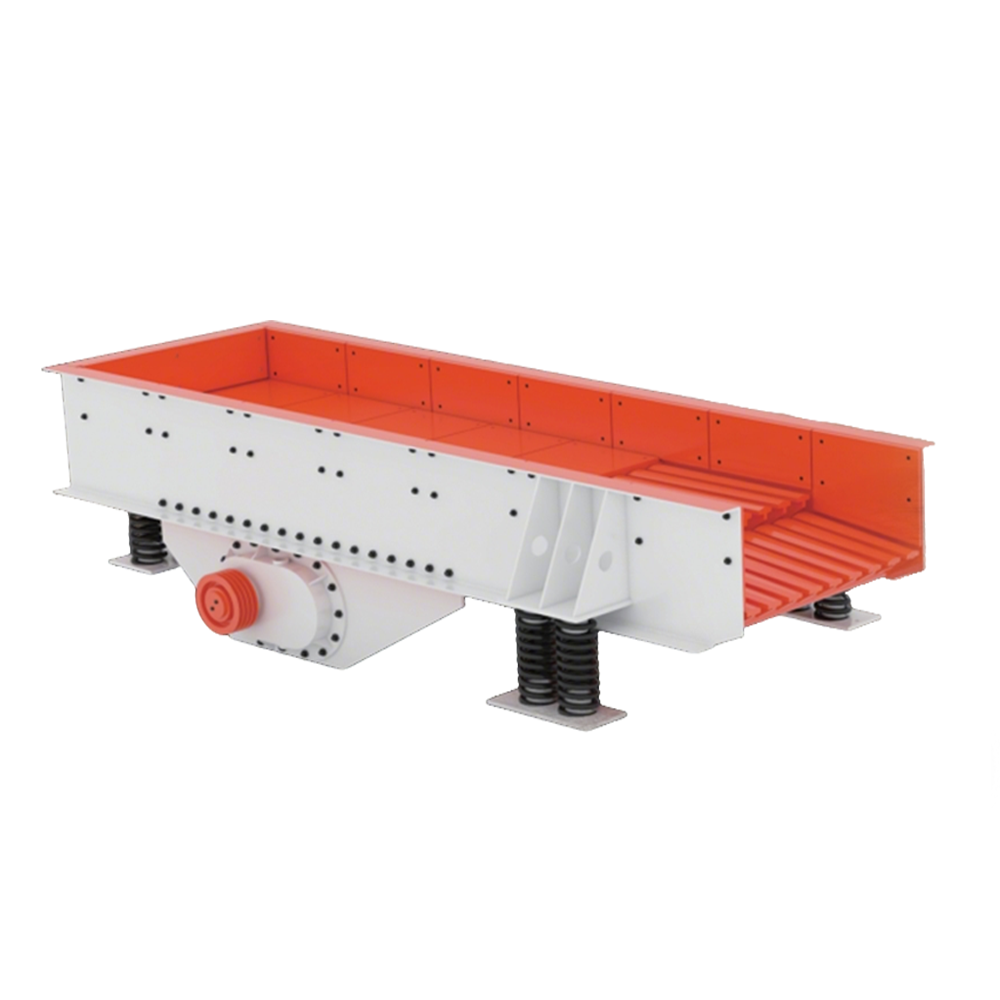
Introduction to Vibrating Feeder
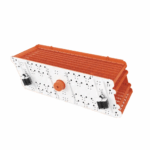
In the production process, the vibrating feeder can uniformly, periodically and continuously feed bulk and granular materials from the storage bin to the receiving device. In sand and gravel production lines, it can continuously and evenly feed materials to crushers while performing preliminary screening of materials. Widely used in combined crushing and screening equipment in metallurgy, coal mining, mineral processing, building materials, chemical engineering, abrasives and other industries, it offers advantages including stable vibration, reliable operation, simple structure, and dust pollution prevention.
Working Video of Vibrating Feeder
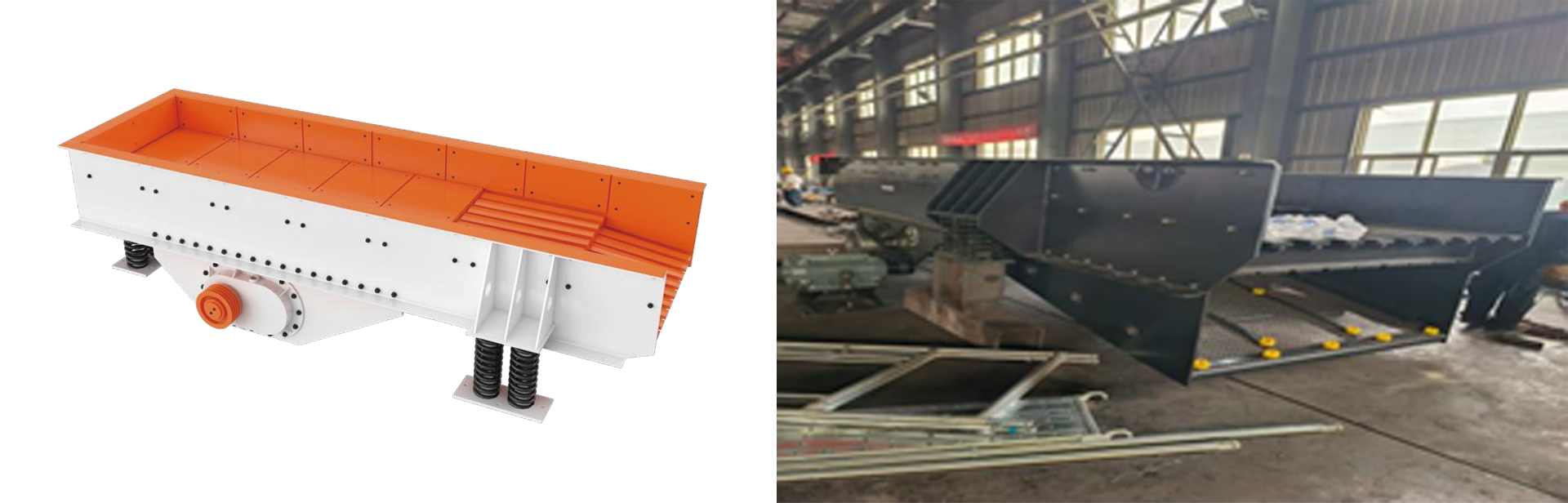
The core function of a vibrating feeder is to continuously and uniformly feed materials to subsequent equipment while performing preliminary screening. It adapts to the front-end link of “raw material → crushing/screening/conveying” and offers advantages including stable feeding, accurate quantity control, and impurity removal, covering production lines in multiple industries.
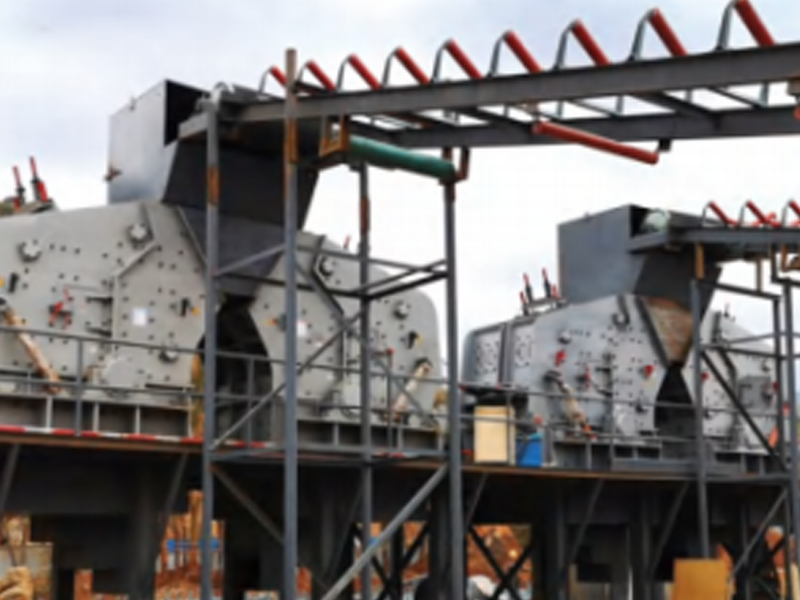
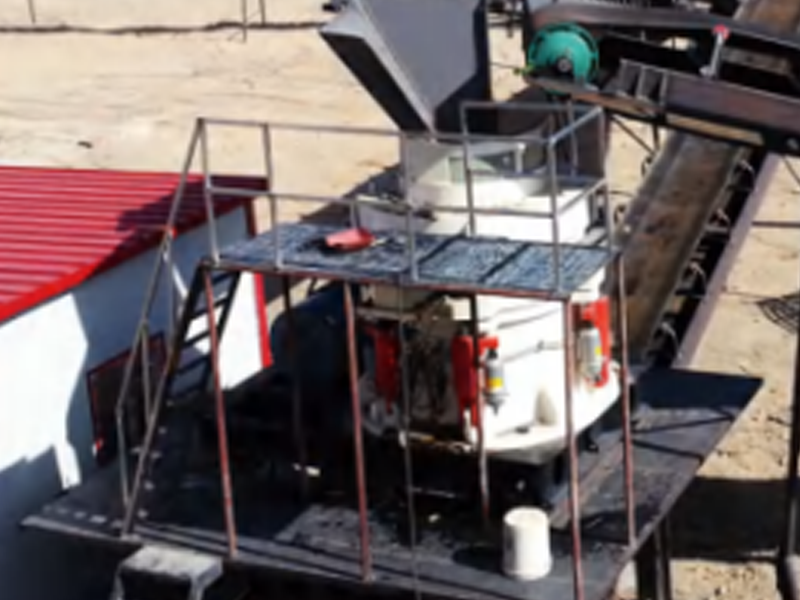
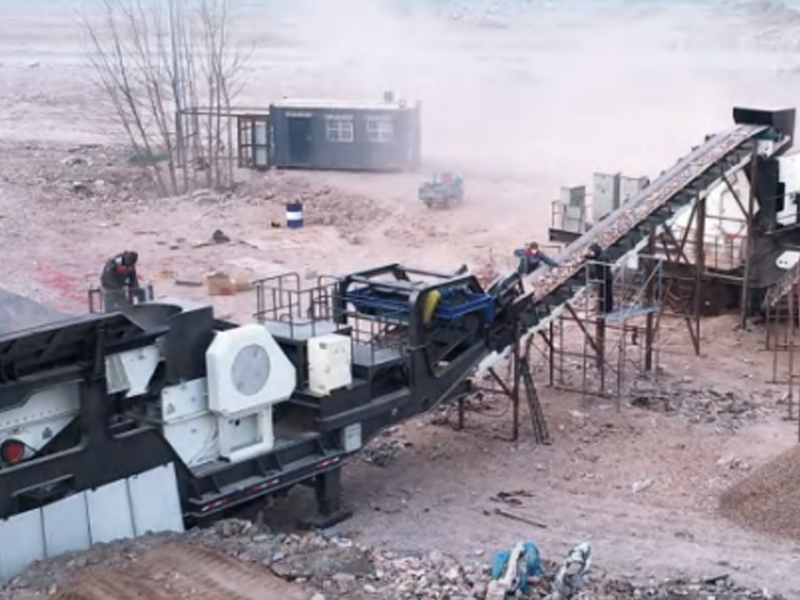
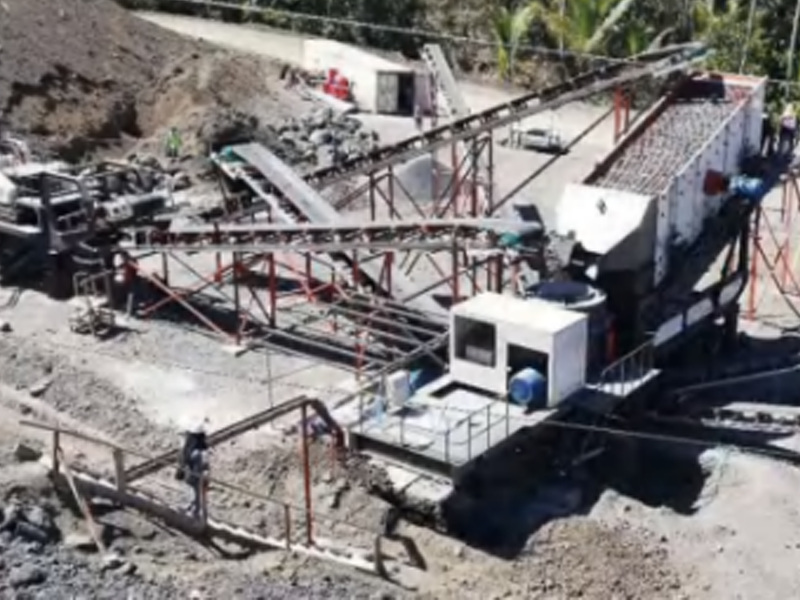
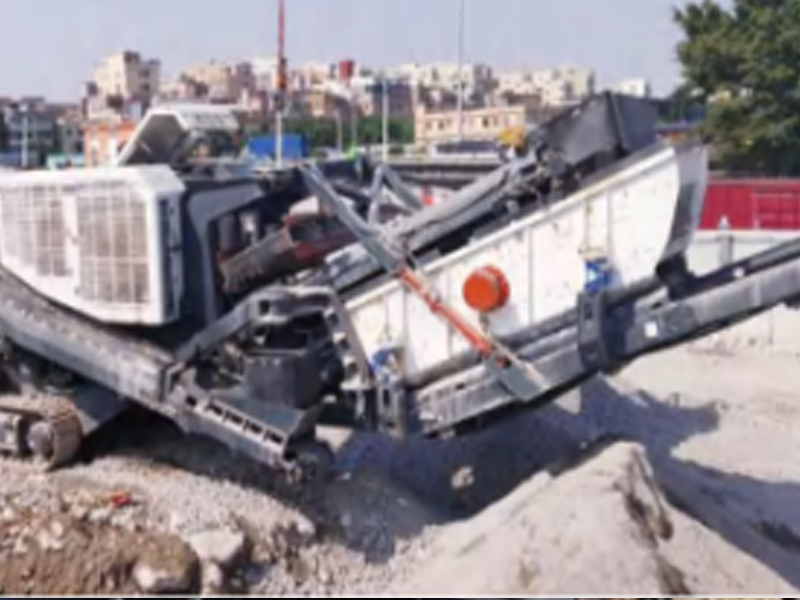
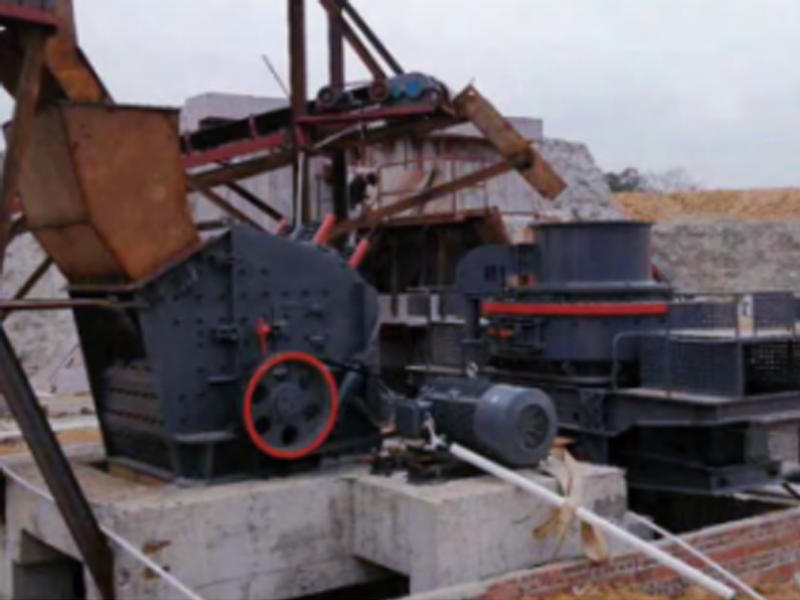
- Crushing Line Feeding: Connects storage bins with jaw crushers, cone crushers, hammer crushers and other equipment, continuously and uniformly feeding raw mine ores (such as limestone, iron ore, granite) into crushers. This prevents equipment overload or jamming caused by uneven feeding.
- Pre-screening and Impurity Removal: While feeding, it removes soil, dust, and fine slag from raw materials through screens, reducing wear on crushing equipment and improving the efficiency of subsequent mineral processing (e.g., magnetic separation, flotation). Example: Desliming iron ore during feeding reduces the load on magnetic separators.
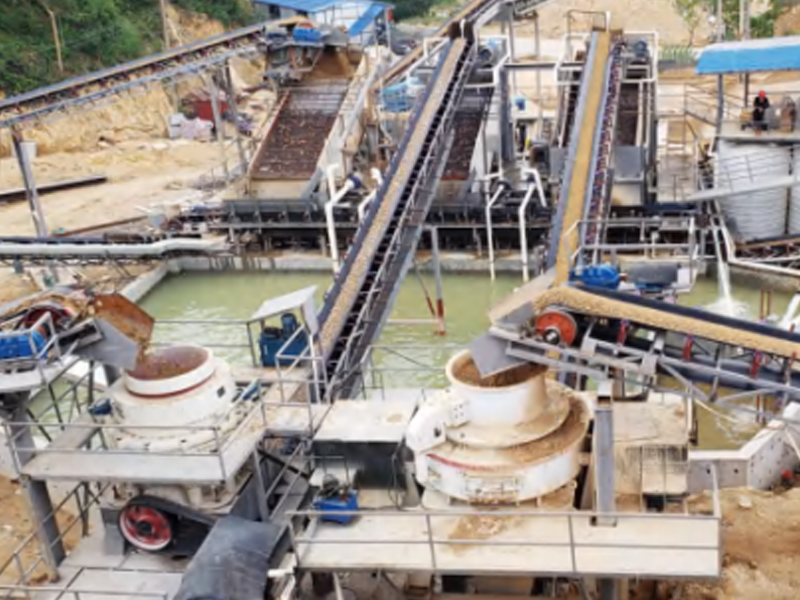
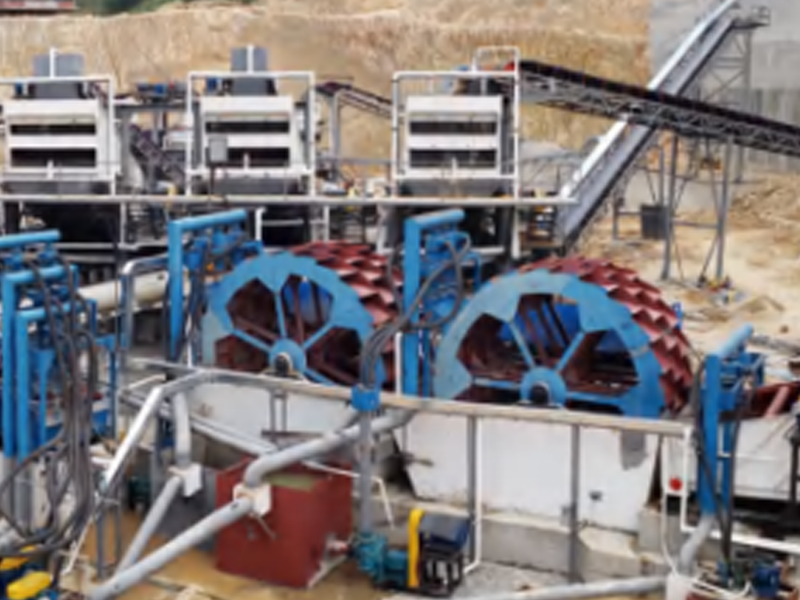
- Sand and Gravel Line Feeding: In sand and gravel plants and concrete mixing stations, it conveys raw materials such as river pebbles and basalt to circular vibrating screens and sand making machines, or recycled aggregates (such as crushed concrete blocks) to crushers, ensuring the continuous operation of screening and crushing links.
- Building Materials Feeding: Conveys bulk raw materials (such as gypsum ore and cement clinker) to cement kilns and gypsum processing equipment, accurately controlling the feeding quantity to match the rhythm of subsequent processing processes.
- Subgrade Raw Material Feeding: At subgrade aggregate processing sites, it conveys rocks excavated from mountains and river gravel to crushing equipment, ensuring stable output of crushed aggregates to meet the progress of subgrade paving.
- Waste Recycling Feeding: When processing construction waste (such as demolished masonry and waste asphalt), it uniformly feeds materials to crushing equipment while removing impurities, supporting the large-scale production of recycled aggregates.
- Coal Conveying and Feeding: In coal mines and thermal power plants, it conveys raw coal to crushers and belt conveyors, performing classified feeding (separation of lump coal and fine coal) to meet the needs of boiler combustion or coal separation.
- Chemical Raw Material Feeding: Conveys salt ore, phosphate ore, chemical fertilizer particles, etc., to chemical reaction equipment and screening equipment. Accurate quantity control avoids raw material accumulation and ensures the stability of chemical processes. Example: Feeding to granulators in chemical fertilizer production to control particle forming efficiency.
- Metallurgical Raw Material Feeding: Conveys iron ore, steel slag, scrap steel, etc., to metallurgical furnaces and crushers, ensuring efficient operation of smelting or crushing links through uniform feeding.
- Solid Waste Treatment Feeding: In domestic waste and furnace slag treatment lines, it conveys solid waste to sorting equipment and crushers, while removing non-crushable impurities (such as metals and large hard objects) to protect subsequent equipment.
| Model |
Size of Trough (mm) |
Feeding Size (mm) |
Motor Power (kW) |
Capacity (t/h) |
Overall Dimension (mm) |
| GZD-650×2300 |
650×2300 |
≤300 |
1.1×2 |
80 |
2300×1360×780 |
| ZSW-850×3000 |
850×3000 |
≤400 |
7.5–11 |
80–120 |
3110×1800×1600 |
| ZSW-960×3800 |
960×3800 |
≤500 |
11–15 |
120–210 |
3850×1950×1630 |
| ZSW-1100×4200 |
1100×4200 |
≤580 |
15 |
200–430 |
4400×2050×1660 |
| ZSW-1100×4900 |
1100×4900 |
≤580 |
18.5 |
280–500 |
5200×2050×1700 |
| ZSW-1300×4900 |
1300×4900 |
≤650 |
22 |
450–600 |
5200×2350×1750 |
| ZSW-1300×6000 |
1300×6000 |
≤700 |
30 |
450–680 |
6100×2350×1750 |
| ZSW-1500×6000 |
1500×6000 |
≤1000 |
37 |
400–800 |
6100×2550×1860 |
Note: The processing capacity may vary depending on the material and feed size.





Reviews
There are no reviews yet.