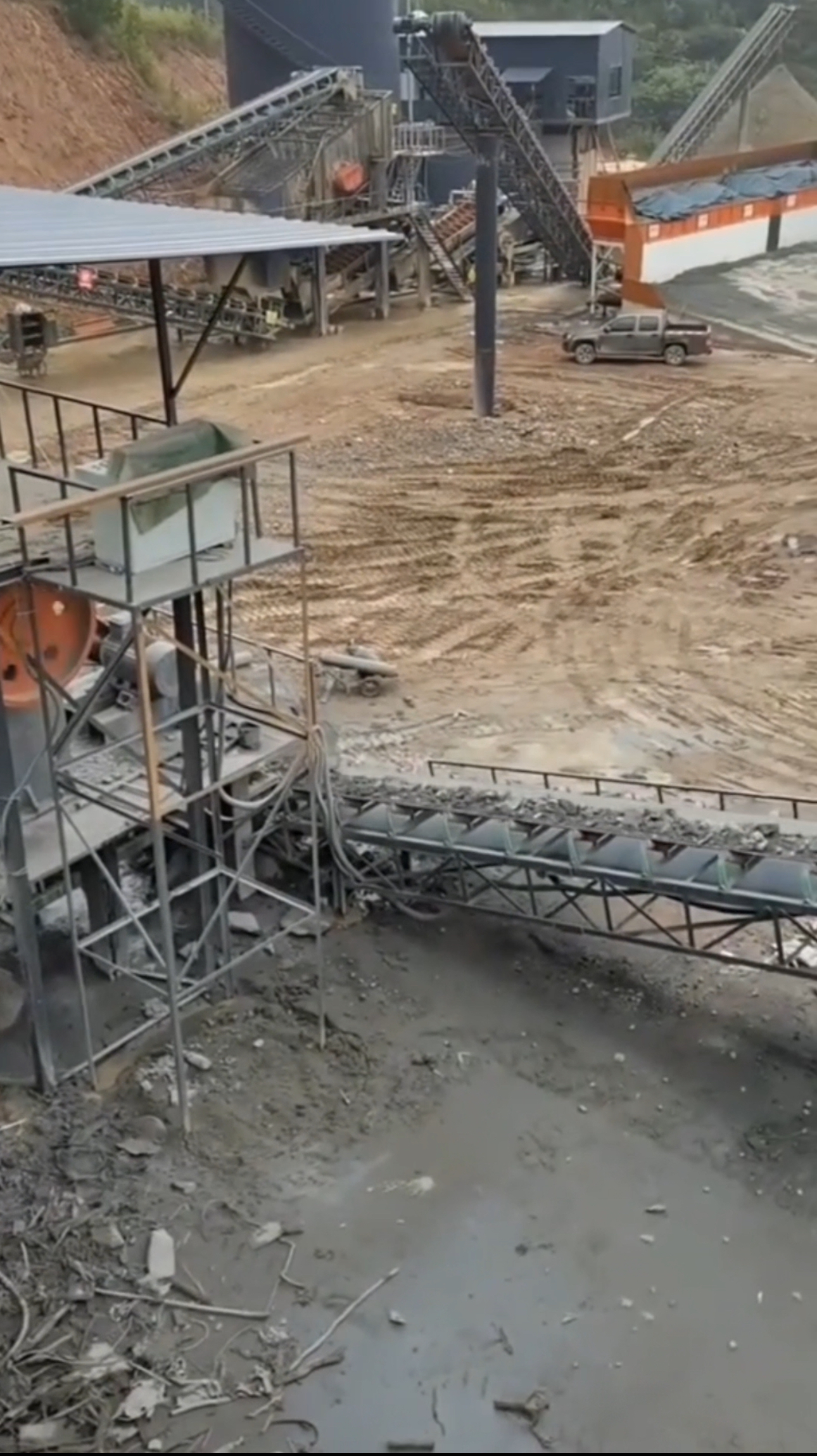
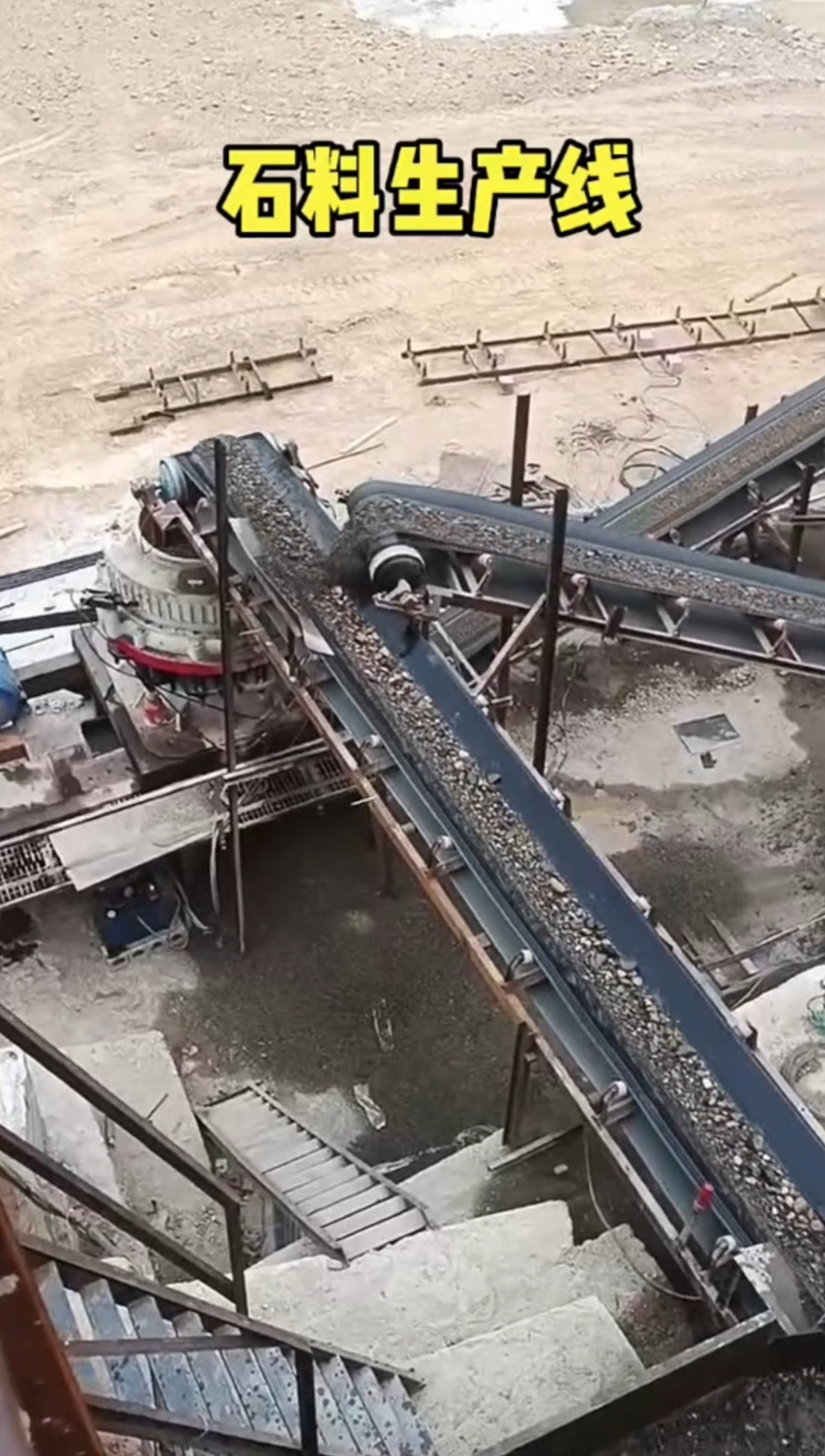
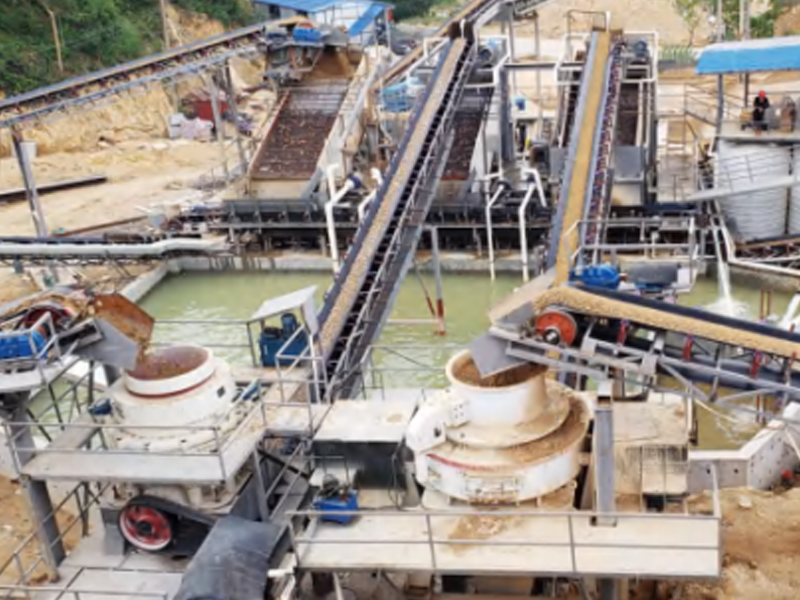
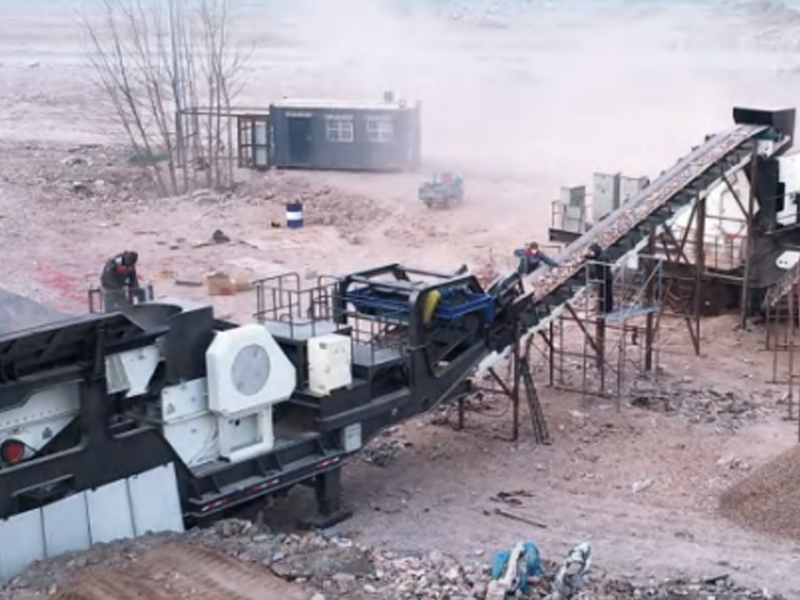
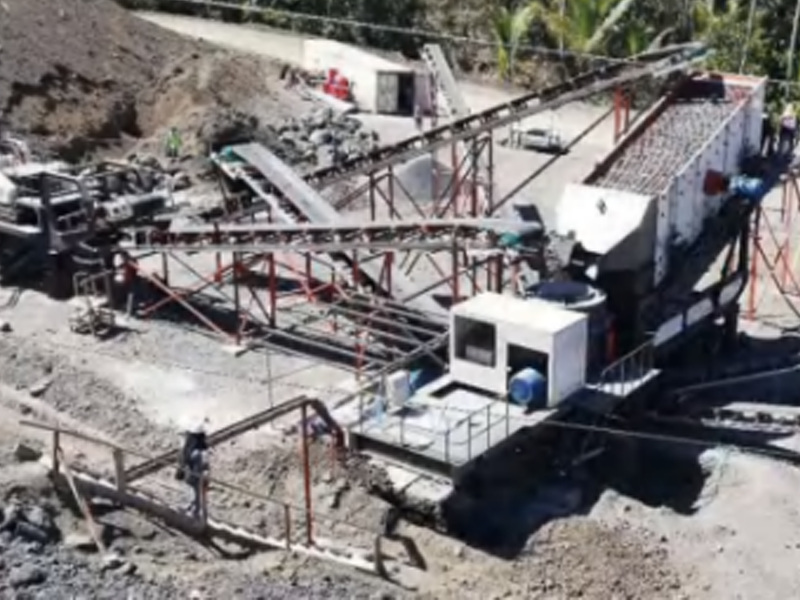
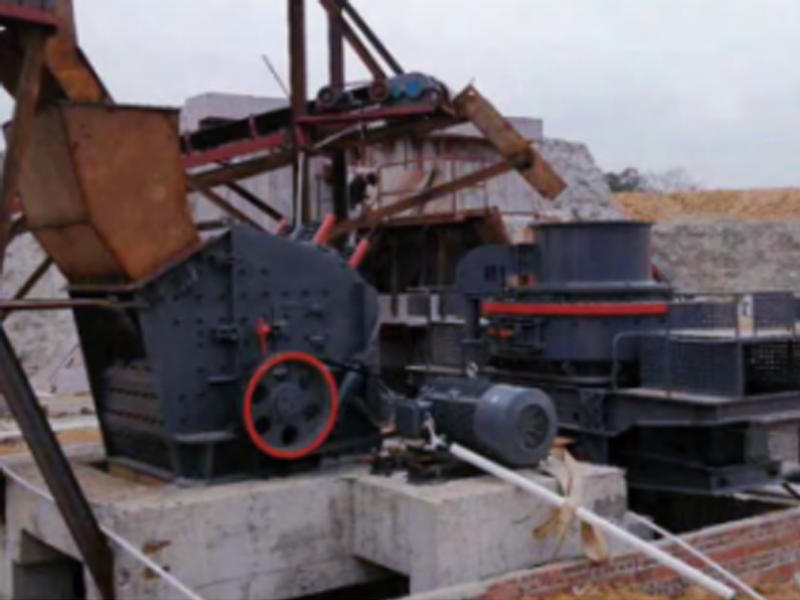
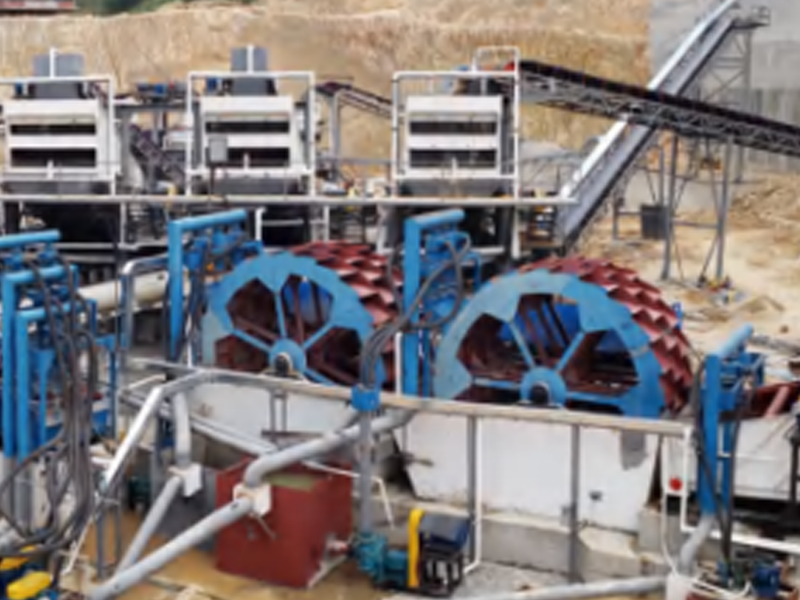
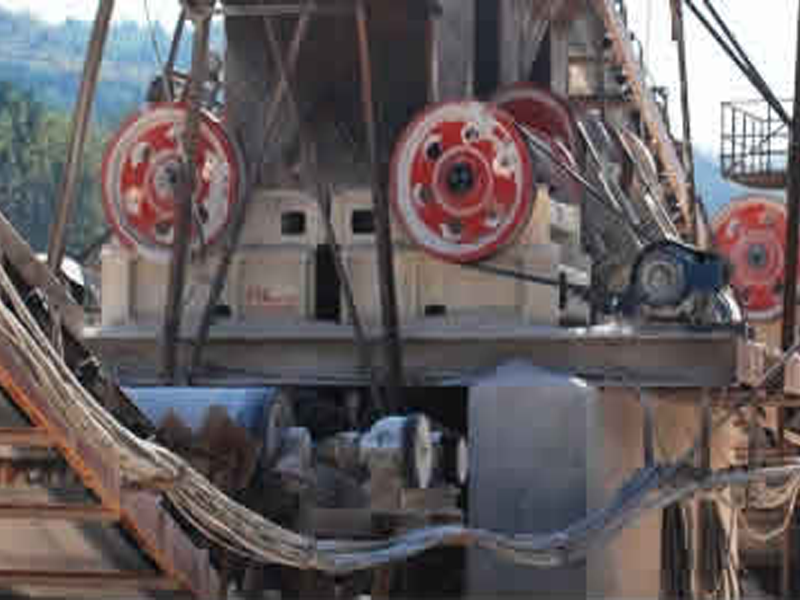
Production Line

Adaptability to multiple raw materials including granite, basalt, limestone, soft rock, hard rock, etc., combined with a production capacity range of 300-1300 tons per hour. It is elaborated from three aspects: core advantages, operational precautions, and raw material adaptability highlights, balancing professionalism and practicality.

I. Core Advantages: Multi-Raw Material Compatibility & Flexible Capacity Coverage

Full Raw Material Compatibility

For raw materials with different physical and chemical properties (e.g., granite with high hardness and silicon content, wear-resistant and pressure-resistant basalt, soluble and high-calcium limestone), a customized sand washing process is designed, equipped with wear-resistant liners, anti-corrosion chutes and a graded cleaning system. This avoids issues like incomplete cleaning and equipment wear caused by raw material property differences, ensuring the finished sand has a mud content ≤0.5%—meeting material standards for construction, road, water conservancy and other fields.
Wide-Range Capacity Adjustment

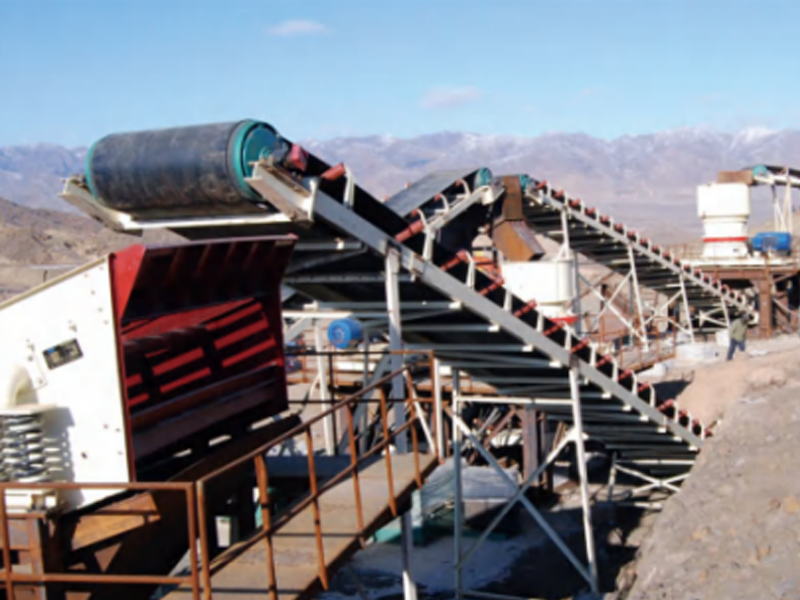
With a capacity range of 300-1300 tons/hour, it can be flexibly switched according to project scale, raw material supply and market demand: small projects can use the 300-500 tons/hour economical configuration, while large aggregate bases can choose the 800-1300 tons/hour high-efficiency production line. The modular design supports later capacity expansion without overall equipment replacement, reducing investment costs.
Efficient & Energy-Saving Design

Adopting the combined process of "spiral sand washing + wheel sand washing", it saves 30% water and 15% electricity compared to traditional single sand washing equipment. Equipped with an intelligent frequency conversion control system, it automatically adjusts cleaning intensity and speed based on the mud content of raw materials to reduce ineffective energy consumption. The core components are made of high-quality materials (e.g., high manganese steel, wear-resistant rubber), extending service life by 20% and shortening maintenance intervals to 3-6 months per time, thus lowering operation and maintenance costs.
Environmental Compliance Guarantee

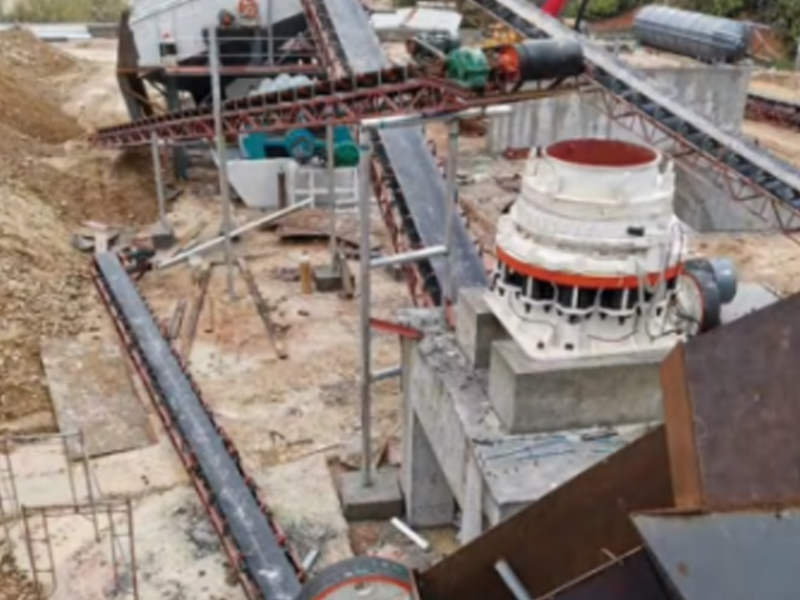
Equipped with a closed sand washing workshop, water circulation system and sludge filter press, the recycled utilization rate of sand washing wastewater (after sedimentation and filtration) reaches over 95%. Dried sludge can be reused (e.g., for brick making, roadbed backfilling), with no wastewater or residue discharged. It meets national environmental protection policy requirements and realizes green production.

II. Key Operational Precautions: Core for Safe & Efficient Operation

Raw Material Pretreatment Specifications

Before raw materials are delivered, screen and remove impurities: eliminate large impurities (e.g., stones, steel bars) with a particle size > 300mm to avoid feeding port blockage. For hard rock materials (e.g., granite, basalt), pre-crush them to a reasonable particle size (recommended ≤ 50mm). For limestone, control its moisture content ≤ 12% to prevent caking that affects cleaning efficiency.

Equipment Startup & Operation Monitoring

Before startup, check the tightness of component connections, lubricating oil level, and electrical system stability. Start the equipment in the order: feeding system → crushing system → sand washing system → dewatering system; shut down in reverse order. During operation, monitor the pH value of sand washing water (recommended 6-8), mud content of finished sand, and equipment operating temperature (bearing temperature ≤ 75°C) in real time. Shut down immediately to troubleshoot abnormalities to avoid equipment overload or expanded failures.

Operational Differences for Different Raw Materials
  • For granite/basalt: Appropriately increase the sand washing equipment speed (30-40r/min recommended), extend cleaning time, and increase the inspection frequency of wear-resistant components.
  • For limestone: Reduce cleaning water pressure (to avoid particle breakage from excessive scouring), shorten soaking time, and regularly clean residual scale in the equipment to prevent corrosion.
Daily Maintenance Points
  • Daily: After shutdown, clean residual sand and sludge in the equipment, and inspect wear of vulnerable parts (e.g., screens, liners).
  • Weekly: Check the filtration precision of the water circulation system and replace clogged filters.
  • Monthly: Add lubricating oil to transmission components (e.g., bearings, gears).
  • Quarterly: Conduct a full disassembly inspection to ensure long-term stable operation.

III. Raw Material Adaptation Highlights: Targeted Solutions

Granite Sand Washing Solution

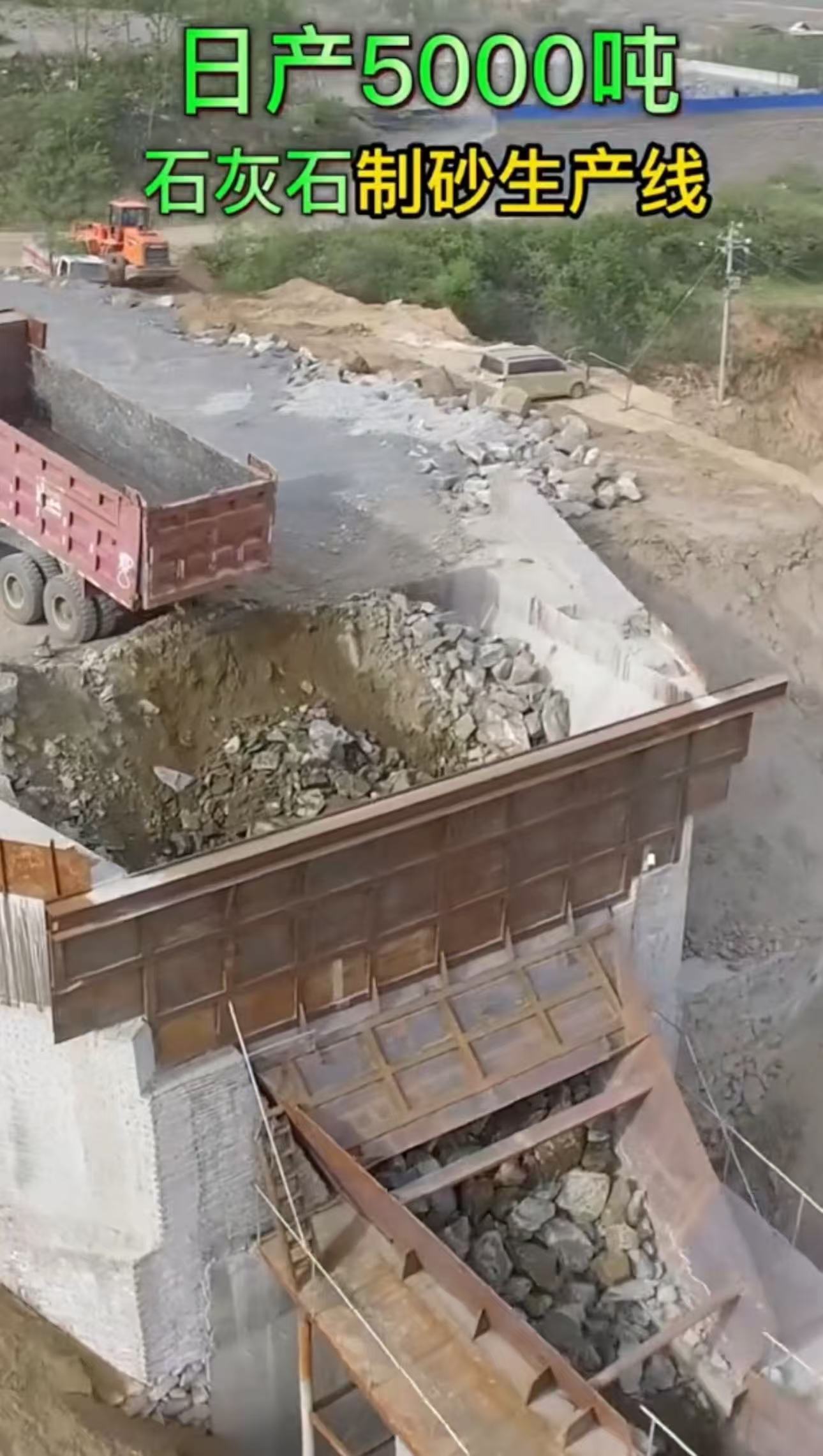
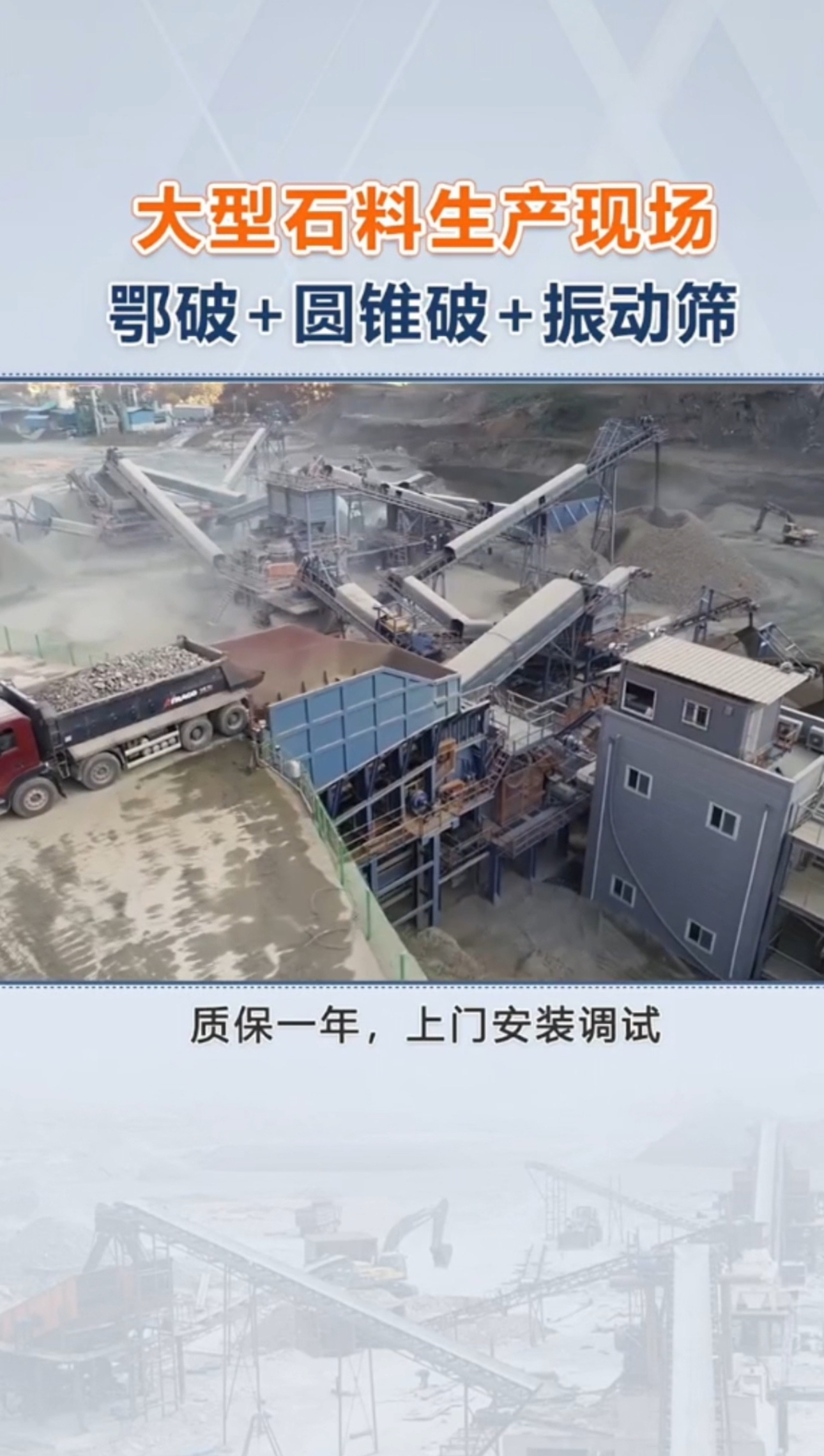
Adopts the "two-stage crushing + high-pressure spray washing" process: the crushing stage is equipped with a jaw crusher + cone crusher to reduce particle edge wear; the sand washing stage uses high-pressure water guns (pressure ≥ 1.2MPa) to rinse gap mud, paired with a spiral classifier to separate coarse and fine particles. The finished sand has uniform gradation, suitable for high-strength concrete aggregates.

Basalt Sand Washing Solution

Focuses on enhancing equipment wear resistance: the inner wall of the sand washing tank is fitted with thickened wear-resistant rubber liners, and spiral blades use composite wear-resistant materials. During cleaning, the water flow speed is controlled (0.8-1.2m/s) to avoid equipment wear caused by particle collisions. The finished sand has a compressive strength ≥ 30MPa, suitable for high-standard projects such as expressways and bridges.

Limestone Sand Washing Solution

Uses the "light-load cleaning + rapid dewatering" process: cleaning time is controlled at 3-5 minutes to reduce limestone dissolution loss; the dewatering stage adopts a high-frequency vibrating screen (vibration frequency ≥ 1800r/min) to lower the finished sand moisture content (≤ 8%), ensuring stability in subsequent storage and use. It is suitable for scenarios such as cement production and roadbed filling.

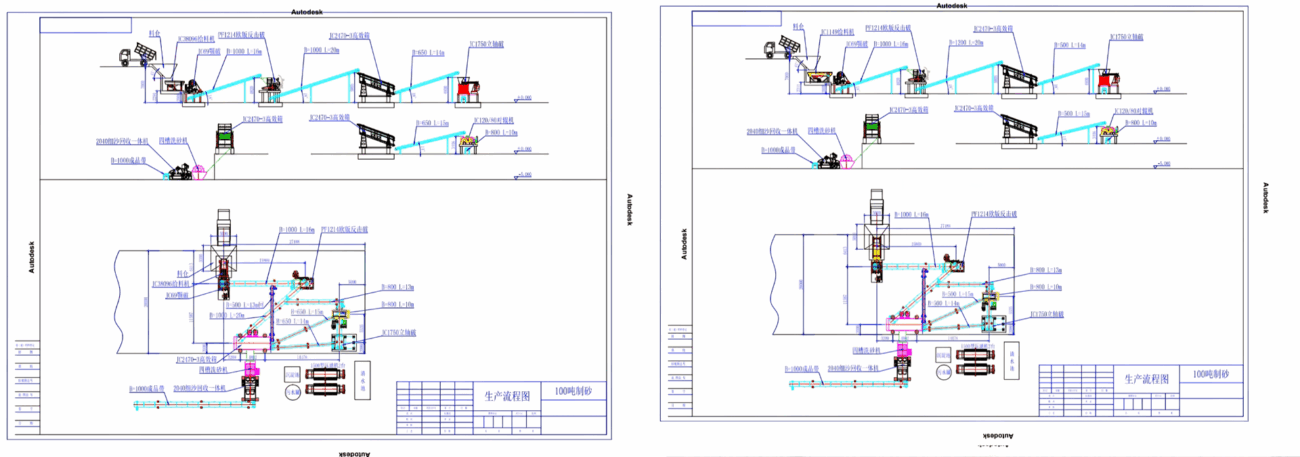
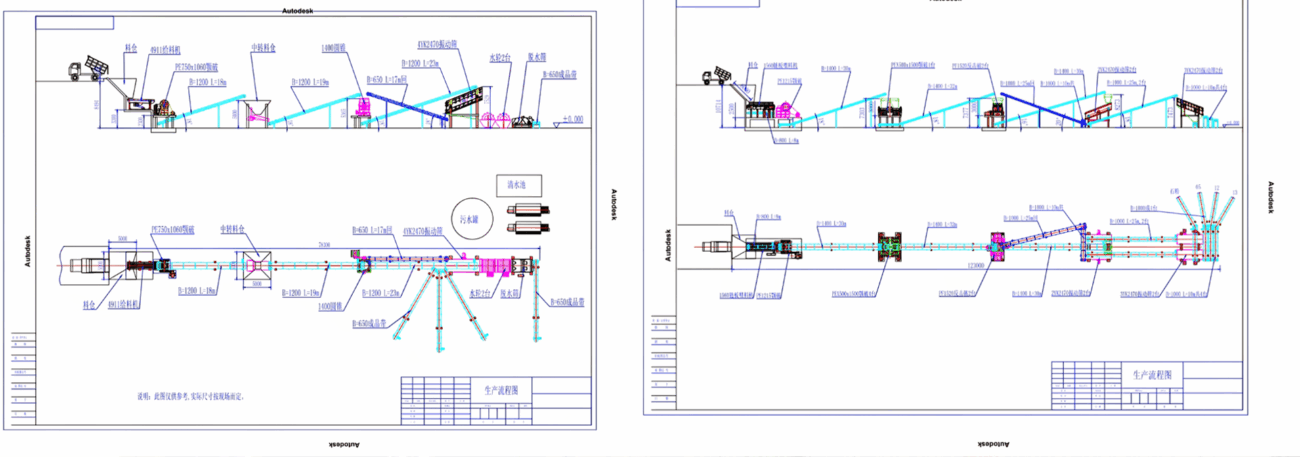
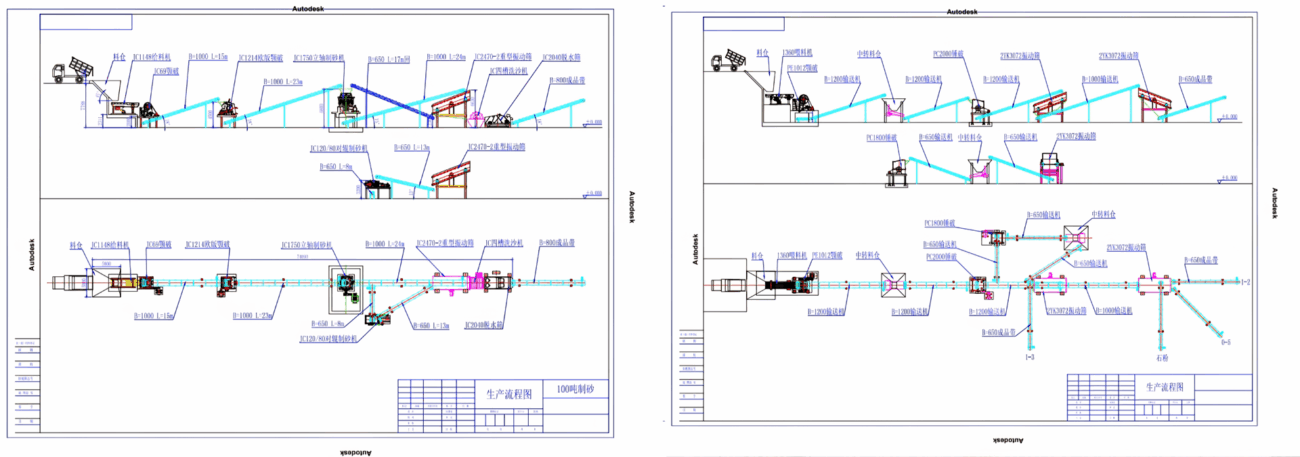
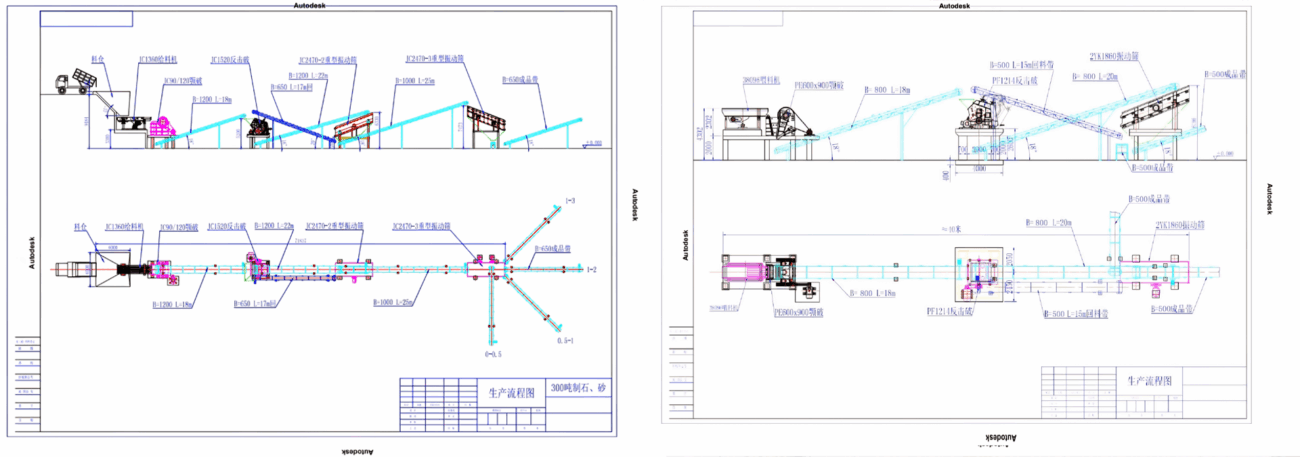
Sand and Gravel Production Line Design Scheme

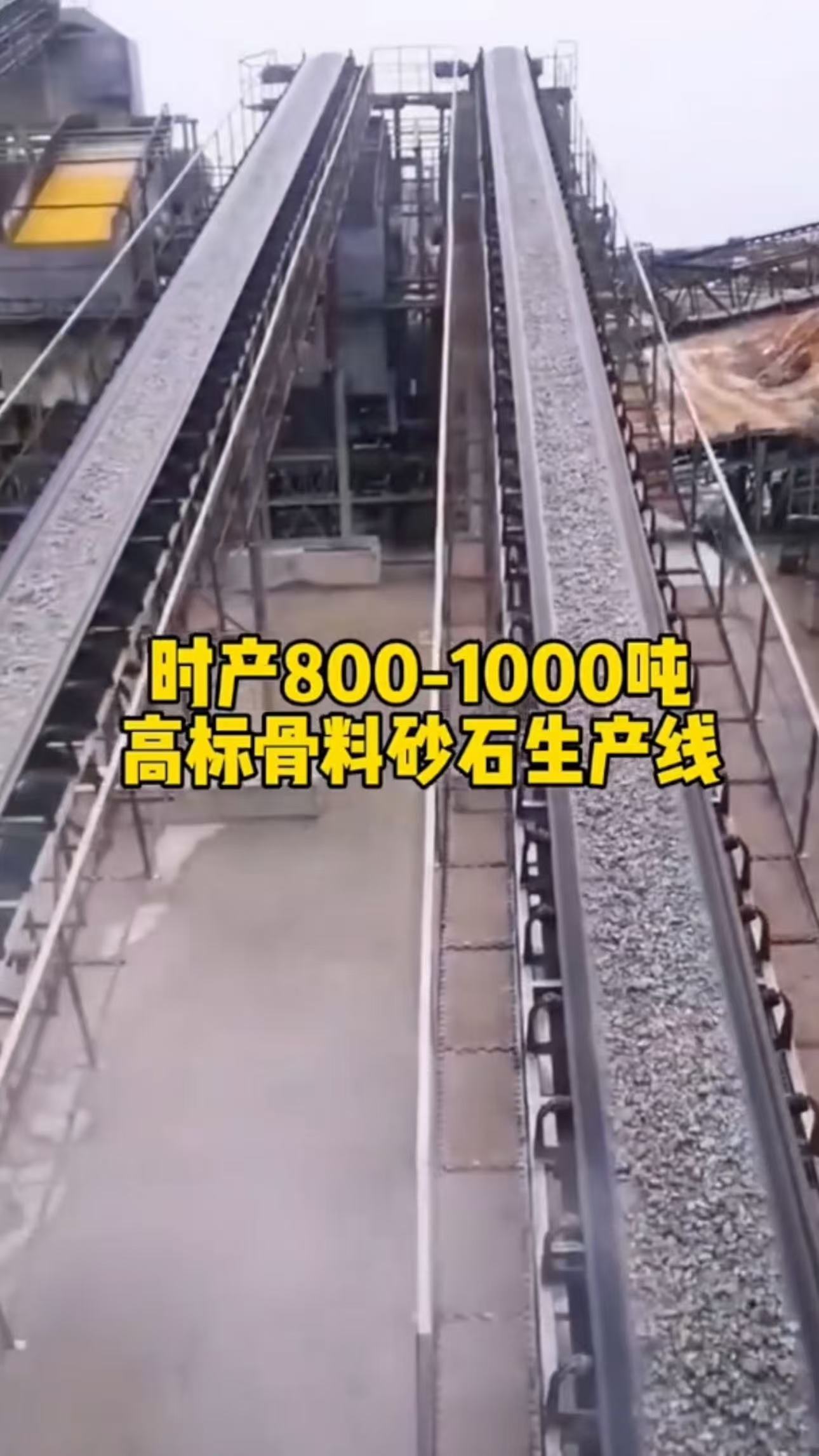
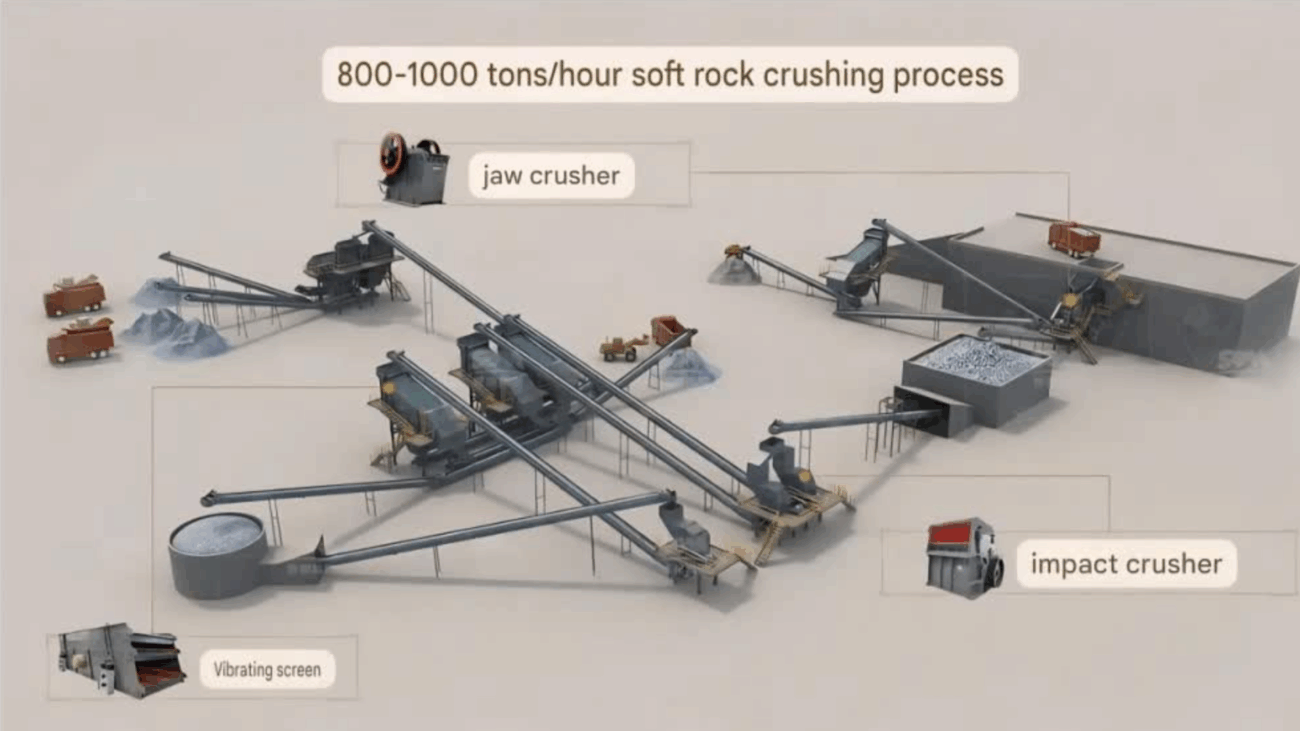
800 - 1000t/h Soft Rock Crushing Process: Jaw Crusher, Impact Crusher & Vibrating Screen Sand - Gravel Production Line Video

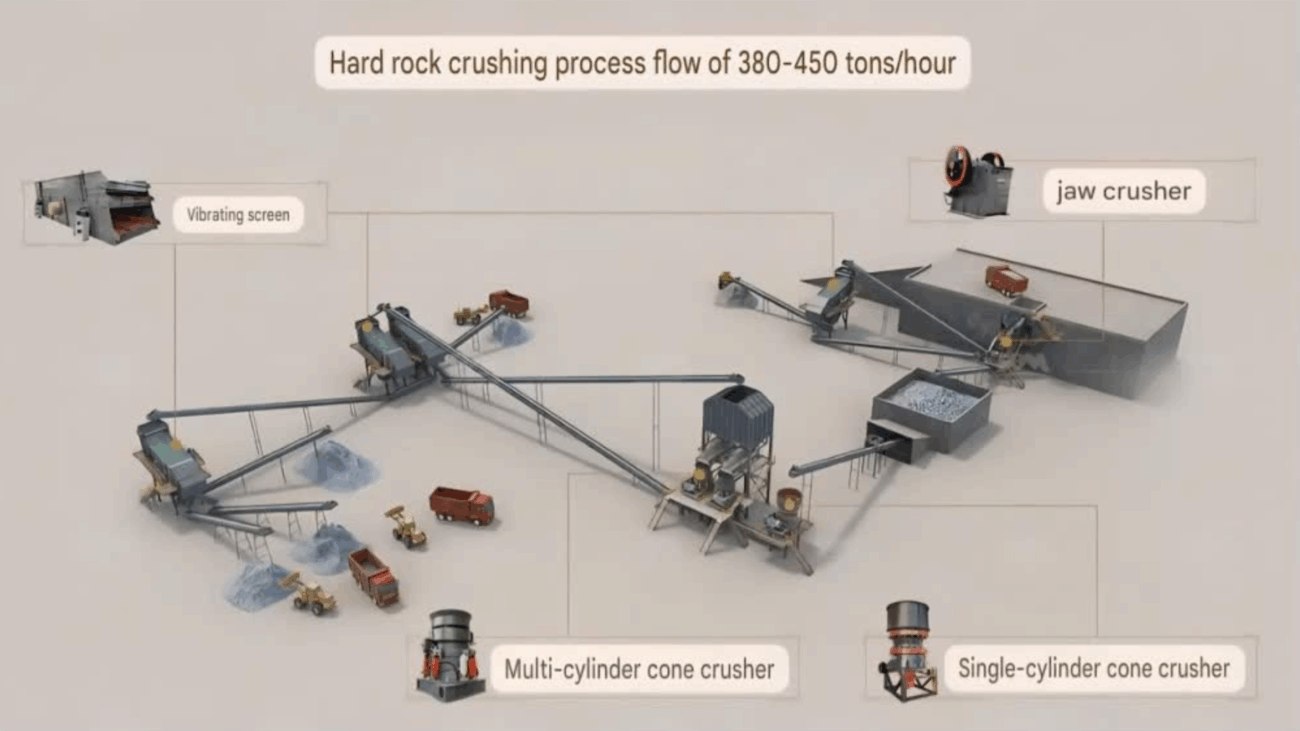
380-450t/h Hard Rock Crushing Process: Jaw Crusher + Single/Multi-Cylinder Cone Crusher + Vibrating Screen Sand-Gravel 

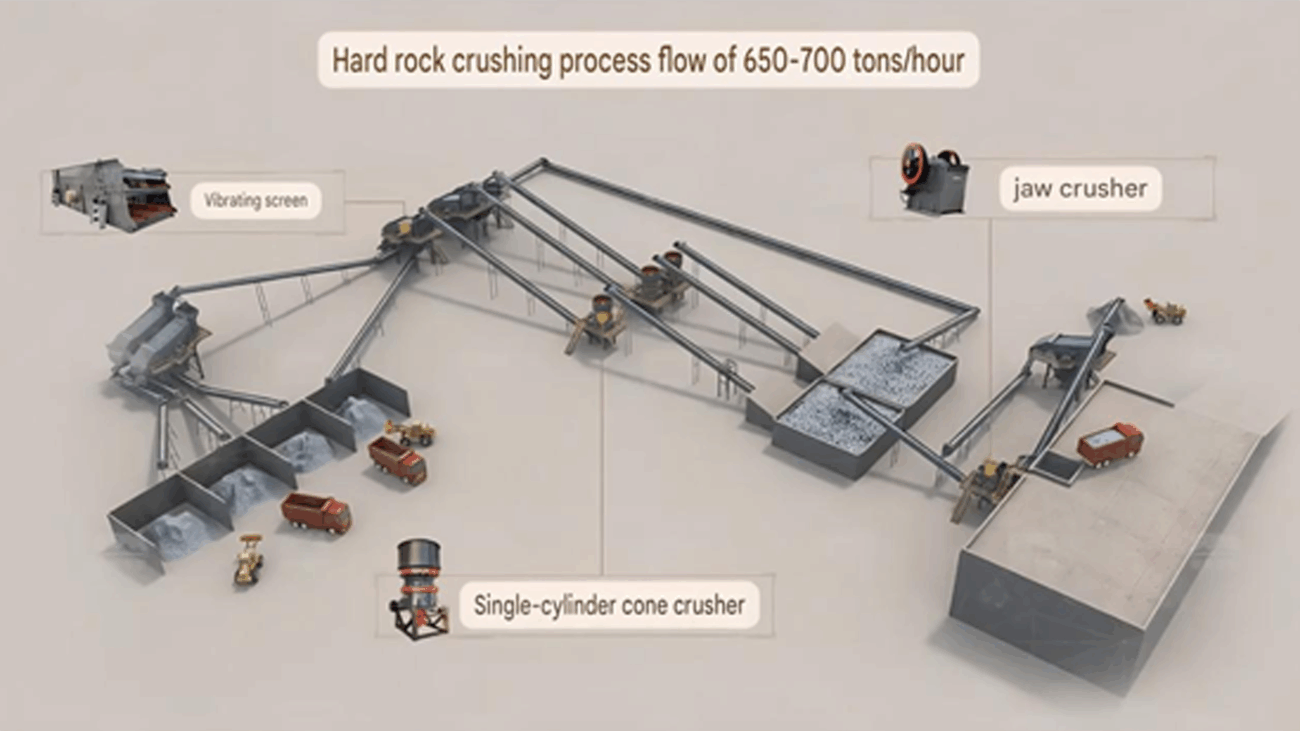
650 - 700t/h Hard Rock Crushing Process: Jaw Crusher + Single - Cylinder Cone Crusher + Vibrating Screen Sand - Gravel

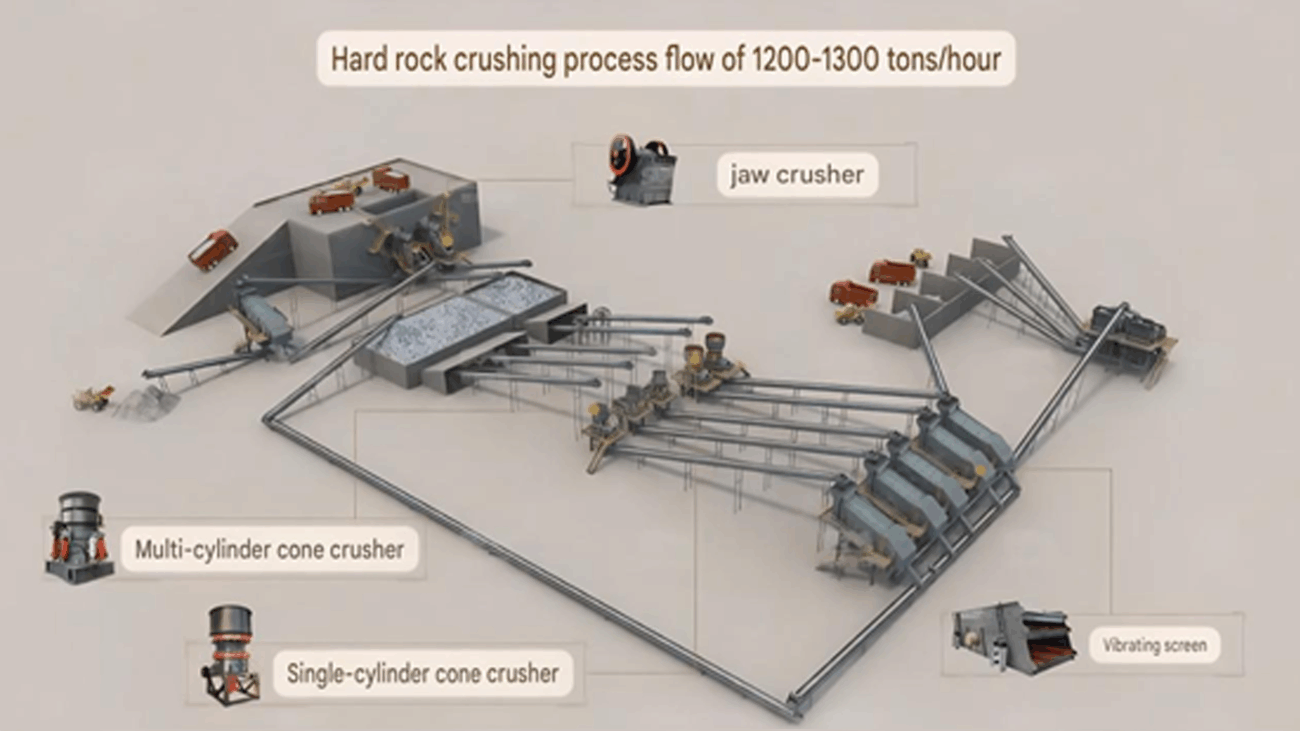
1200 - 1300t/h Hard Rock Crushing Process: Jaw Crusher + Multi - Cylinder Cone Crusher + Single - Cylinder Cone Crusher + Vibrating Screen Sand - Gravel Production Line Video

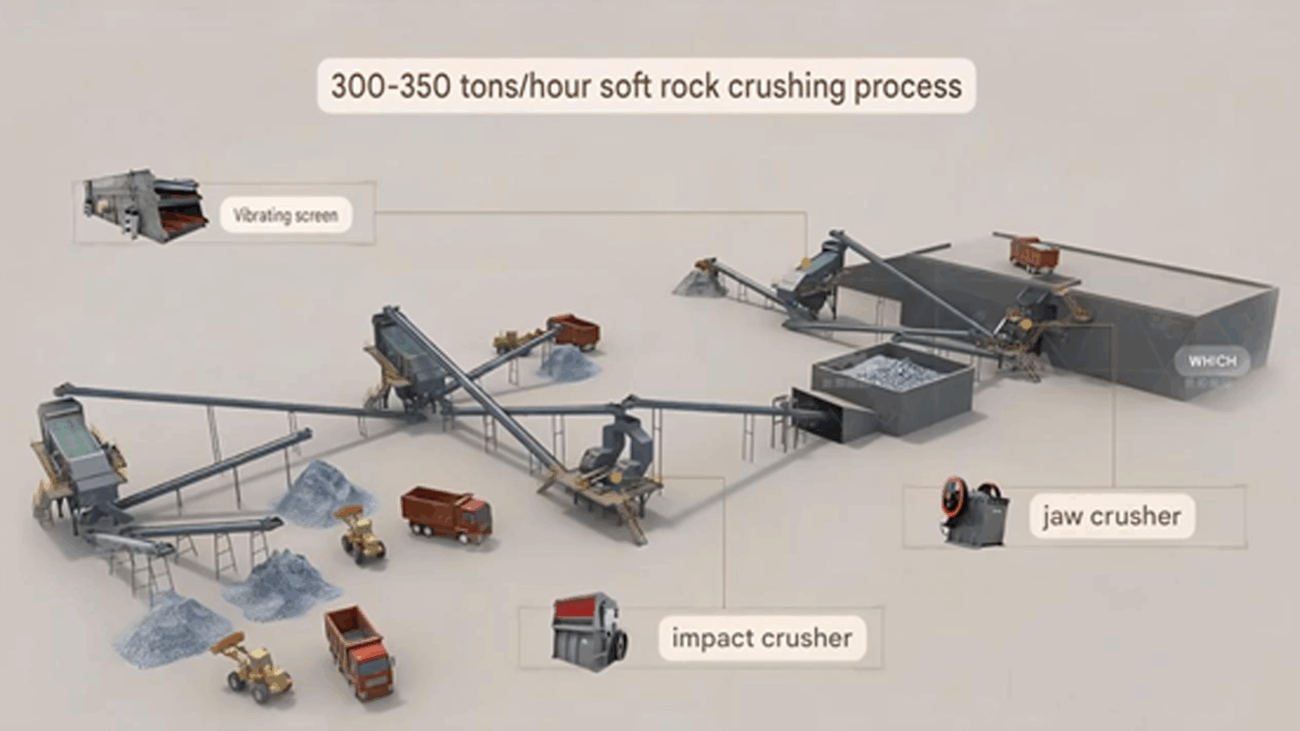
300 - 350t/h Soft Rock Crushing Process: Jaw Crusher + Impact Crusher + Vibrating Screen Sand - Gravel

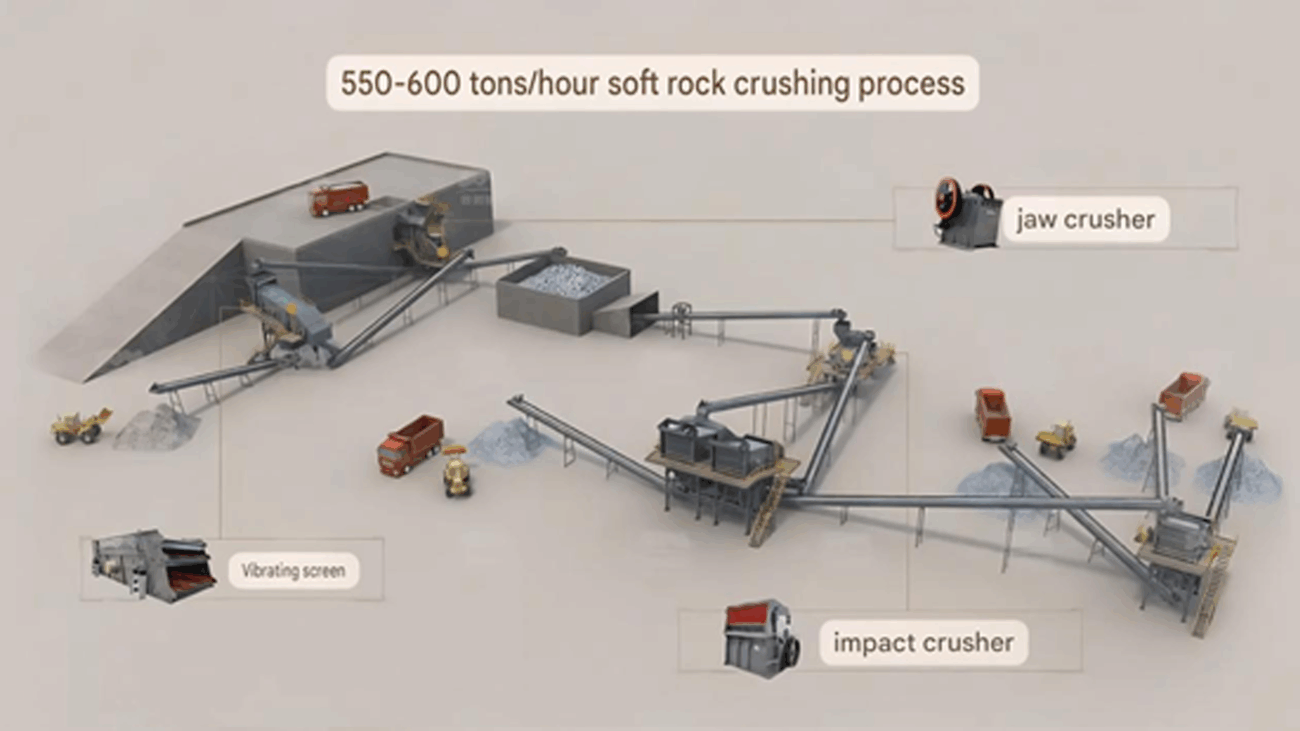
550-600t/h Soft Rock Crushing Process: Jaw Crusher + Impact Crusher + Vibrating Screen Sand-Gravel Production Line Video

Our Customers

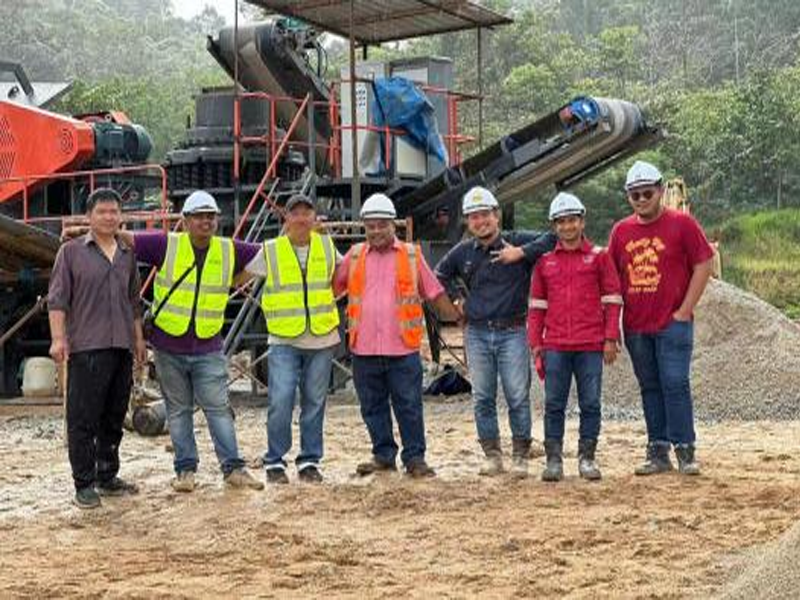
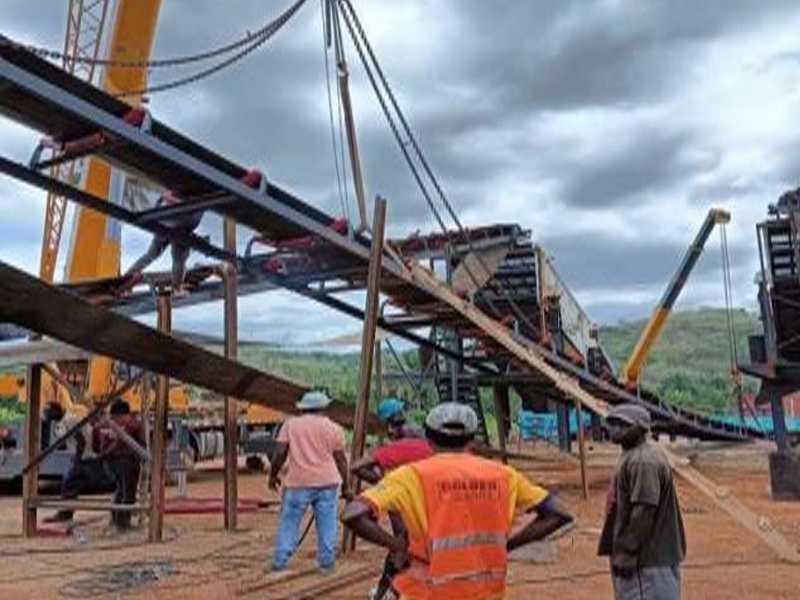
Our equipment has been installed worldwide, including regions such as South Africa, the Middle East, West Asia, India, the Philippines, Western Europe, and Southeast Asia.

Need a Consultation? Contact Us 24/7

INFORMATION ABOUT US

CONTACT US FOR ANY QUESTIONS